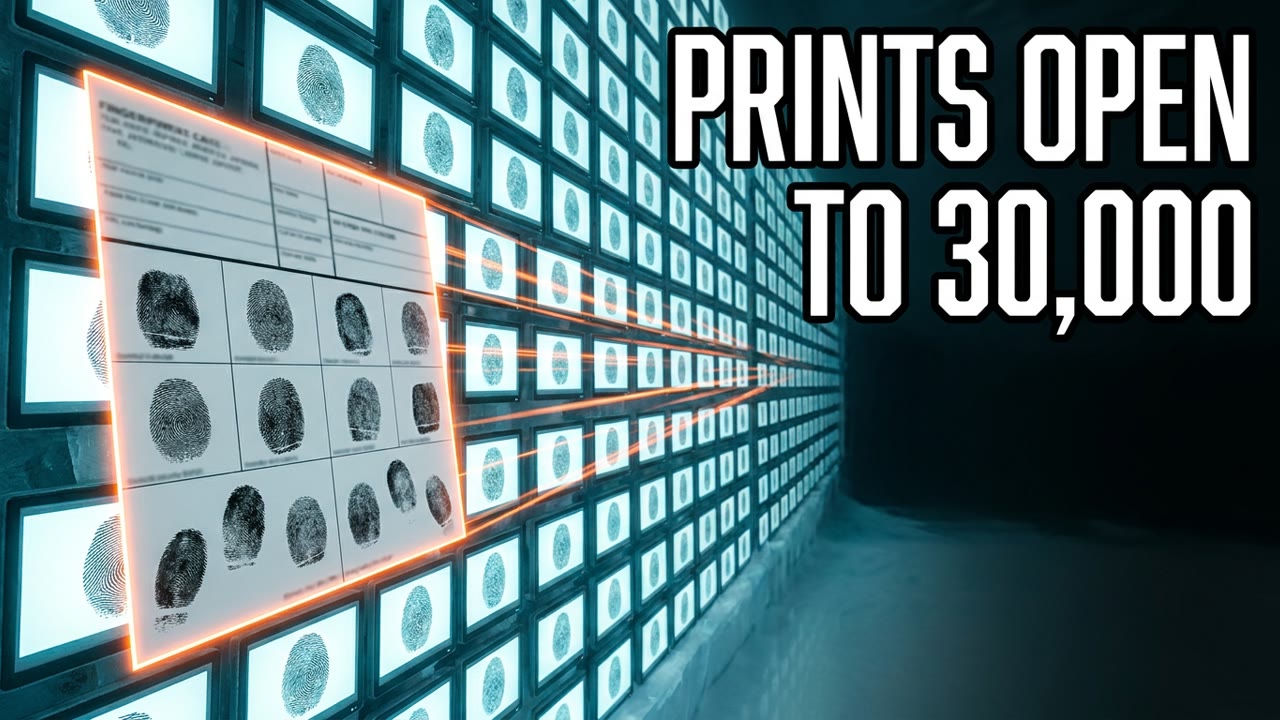
Immigration Biometrics: 30,000
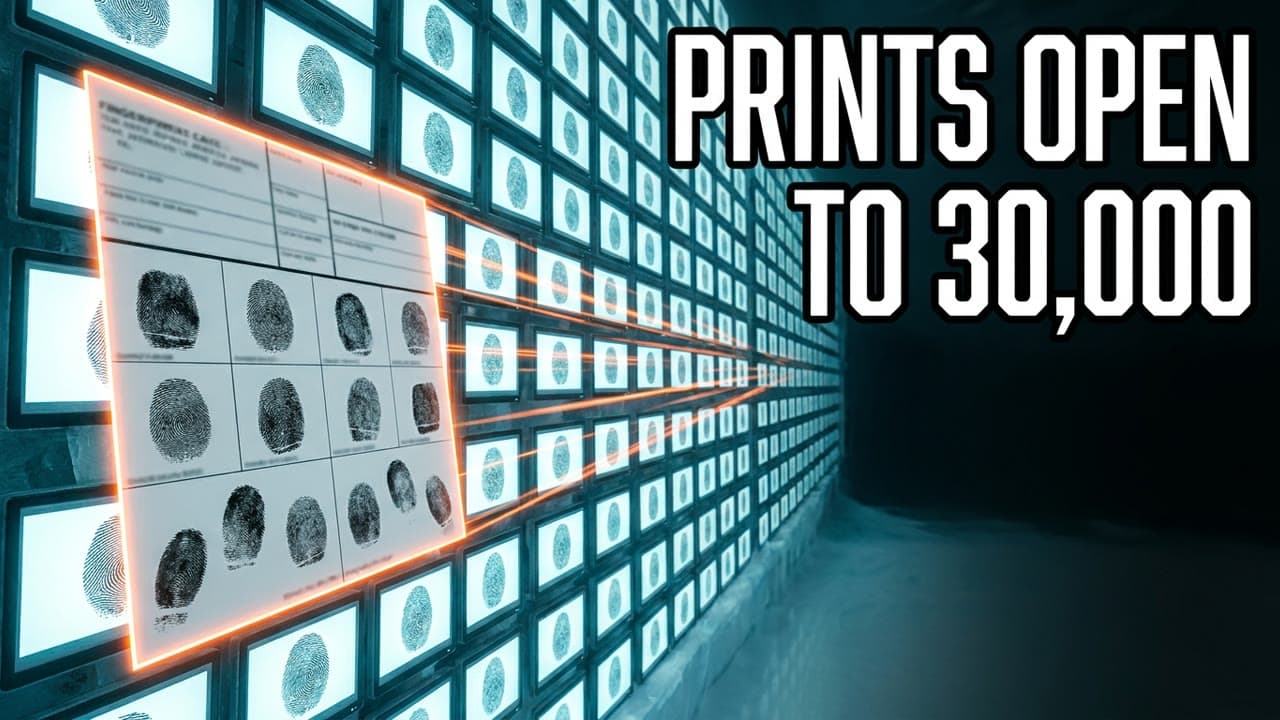
The government keeps your fingerprints on file for years. You only have to go to one green card appointment for them to end up there. Homeland Security connects your prints to the FBI's fingerprint files. If police at a jail ever take your prints and they match that file, the FBI asks ICE about you. Nobody asks you first, and nobody tells you afterward. Who's searching your fingerprints tonight? By the end of this, you'll know where you stand.
Back when it was called US-VISIT, about 30,000 government users could reach the system that holds your prints. They worked in federal, state and local offices.
USCIS, the agency that handles green cards, takes your fingerprints. Homeland Security keeps them in a database it calls IDENT. The FBI says in its own papers that they're connected.
You're in and out of your fingerprint appointment in 20 minutes. But nobody tells you how long they'll keep searching them.
Your prints don't stay at that office. State and local police can get to them through the FBI. They can keep doing that long after your case is decided.
The FBI and Homeland Security didn't always share fingerprints.
After September 11, the law pushed the FBI to connect its fingerprint files to Homeland Security's IDENT. They wanted police to be able to reach immigration files. Now the FBI checks prints taken at jails against yours.
The FBI says this plainly in its own papers. When jail prints match, the FBI asks ICE about their status.
Homeland Security can keep your fingerprints, your palm prints, photos of your face and scans of your eyes in IDENT. Homeland Security keeps records there on people who apply for visas, on refugees and on new citizens. Officials can see your visa and border crossings in one search.
The U.S. shares immigration fingerprints with partner countries. A 2009 deal let each pair of partners share up to about 3,000 fingerprint records a year.
If this helps, a like and a subscribe help us keep it coming.
You signed a form when you gave them your fingerprints. But that form doesn't tell you who can search them.
USCIS takes 3 things from you at your appointment. They take your fingerprints, your photo and your signature. Newer government plans list at least 7 kinds of data about your body. But your notice only lists the 3 you gave.
Your prints sit in systems that 4 agencies share. They're Homeland Security, USCIS, border protection and ICE. ICE, the immigration enforcement agency, is part of that same network.
Under a program called Secure Communities, the government checks jail fingerprints against immigration records. Researchers at UC Berkeley studied that program in 2011.
Those researchers estimated that because of the program, ICE arrested thousands of U.S. citizens by mistake. Being citizens didn't keep those people safe.
On its own website, USCIS calls this a background check. A background check sounds like somebody looks at your prints once and then it's done. Agencies can change who sees your prints without a new form.
You thought you handed over your fingerprints just once. But officials keep searching them for years. Your green card case can be closed for good. Your prints can still be checked tonight.
Ask the FBI for your record and ask USCIS for your file, and keep copies of both. Know what your file says before anyone uses it.
Hang on to the notice from your fingerprint appointment. Ask the FBI for what it calls your Identity History Summary. Send USCIS a records request for your file.
USCIS sends you a notice before your appointment. Nobody sends you a notice when your prints match.
Start with the notice you already have. That notice shows what they collected from you and where they did it. If your status looks wrong, don't guess. A legal services group can help you file those requests.
CaraComp wrote about this, and their write-up goes deeper on what you can do. They walk through the linked systems, from IDENT to HART.
Cara Candelario writes about how people's prints get matched. She says a match is only a score. A person still has to check it.
Ask who confirmed any match on your record. Keep a copy of every paper you send. Read your case history in your USCIS account.
The partner group is called Migration 5, and it has 5 countries. The countries are the U.S., the UK, Australia, Canada and New Zealand. Most shared prints belong to refugees and people facing enforcement.
Your prints were never just for your green card. It's fair to worry, and your file is where you start.
Tonight, find your appointment notice and put it somewhere safe. Write down every place you've ever had your fingerprints taken. Then you'll know which files to ask for.
You can't stop the searches, and nobody's going to warn you first. Ask for your own file before someone else acts on it.
Every day we take one story like this and make it simple. Subscribe and tap the bell. Tomorrow's is free too. See you in today's briefing. If this helps, a like and a subscribe help us keep it coming.