How to Spot a Fake Social Security
Your child's school trusts official-looking papers. A Minnesota high school trusted one prosecutors call forged. It was a birth certificate, not a Social Security card. A 22-year-old man used it to enroll. He passed as a teenager for weeks. Could you tell a paper like that was fake? Soon, you'll know what to check instead.
Kelvin Luebke stayed 19 days, until his arrest. Luebke practiced football beside other families' teenagers.
FOX 9 reported Luebke enroled as a teenager. He posed as a homeless teen on his own. Federal law lets those students enroll right away.
His Liberian certificate had official-looking seals and said 2007. Luebke's Minnesota birth certificate said 2003.
Luebke is accused of 3 forgery counts, 2 aggravated. Those are accusations, and a court decides. A paper can look official and still be fake.
And today's fakes are built to fool careful eyes.
For years, sloppy fakes got caught by eye. Now forgers copy holograms and tiny print. Forgers even copy raised printing on ID cards.
Some fake ID sellers say it openly. Those sellers promise fakes that pass barcode scanning.
A Social Security card is different from a license. The card is paper with a name and a number. That card has no photo and no birth date.
Even a real card tells you very little. Who checks that card against anything real?
If this helps, a like and a subscribe help us keep it coming.
You'd think looking harder would catch a fake. Looking harder is exactly the wrong move.
Look at 4 things on a card. Check the paper, lamination, spelling and name. A careful fake may pass all 4. Your eyes are only a first filter.
Fake papers come in 3 kinds. Some are altered, some copied, some issued on lies. The copied kind has no original underneath.
Some forgers study the real card first. That copy may show no obvious flaws.
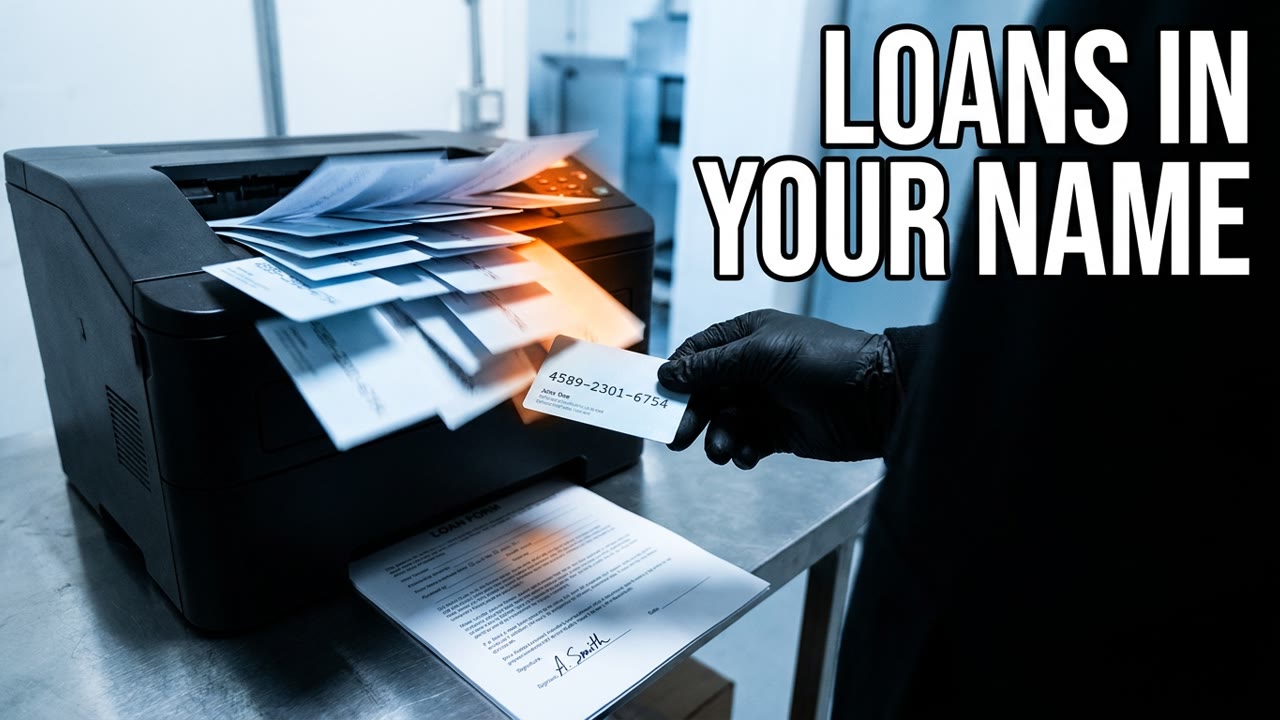
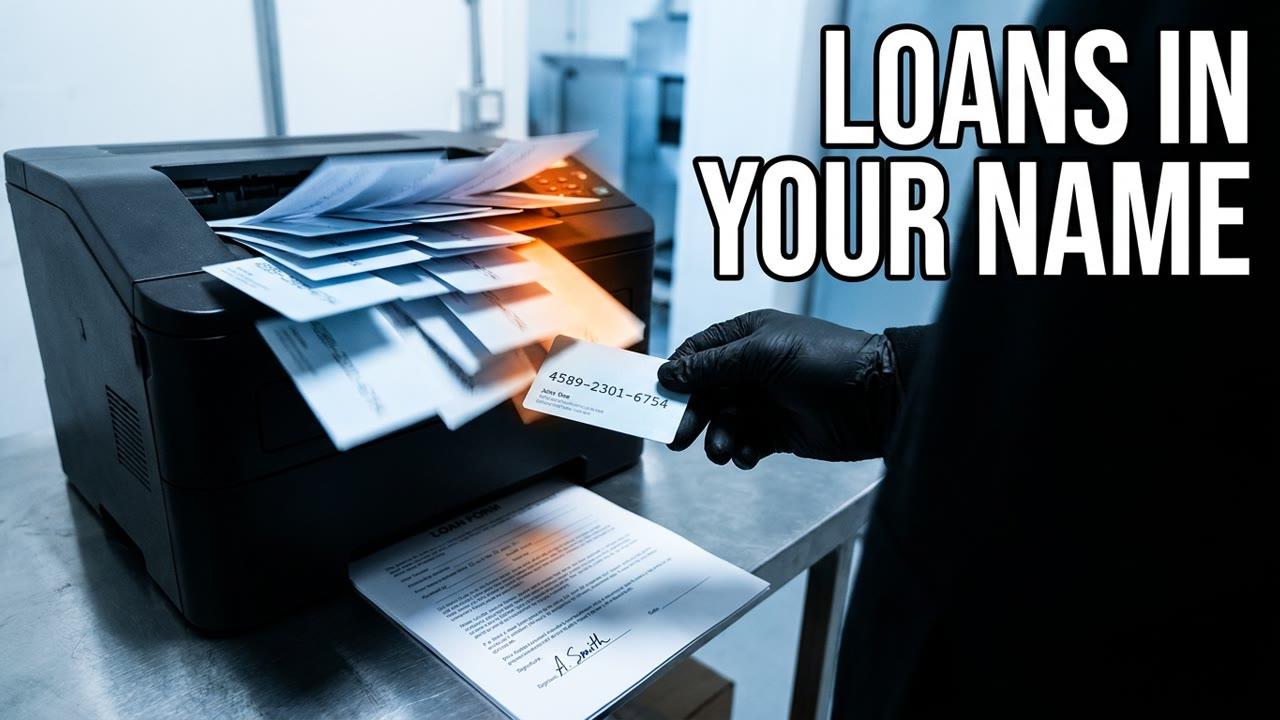
A fake card can carry your real number. Then a stranger can open loans in your name.
Employers and landlords often ask for that card. The Social Security Administration says it doesn't prove identity. That card doesn't prove your age either.
The forger made every part of that paper. So every part agrees with every other part. Records the forger never touched may disagree. A good fake beats eyes, not records.
Never trust a paper by how it looks. Take any mismatch to someone who can check.
Write down the exact detail that doesn't fit. Compare it with records you're allowed to see. Never confront the person yourself.
A records check tests the details. A photo ID check tests the person holding them.
First, read what the paper says. Then compare it with records outside it. Then match the person to a photo ID. A mismatch is a warning, not proof.
The CaraComp write-up on this goes deeper. That page explains what a face match can't prove.
Cara Candelario names a habit we all share. Trusting a school office is a sane habit. That trust still can't replace a records check.
Tell the principal or district about a school worry. Call local police about a possible crime. Report a suspected fake card to Social Security.
Data checks help companies, too. Nets and KPMG report a 40% fraud drop with AI detection. That figure covers all fraud, not just cards.
You can't trust a paper by its looks. You can check it against other records.
Log in to your own bank account tonight. Pull your credit reports and read each line. Look for any loan you didn't open.
Your number could already be on a fake card. Report any loan that isn't yours at IdentityTheft.gov.
Every day we take one story like this and make it simple. Subscribe and tap the bell. Tomorrow's is free too. See you in today's briefing. If this helps, a like and a subscribe help us keep it coming.