Trust itself is now the target.

Picture it. You're up late. A video shows your central bank's boss telling you where to put your savings. He looks right. He sounds right. But scammers made him. That's happening right now in Malaysia. Criminals fake the one face you're told to trust with money. Why him? Because your brain sees an official and stops asking questions. That does half the work for them.
Trust itself is now the target.
According to The Star in Malaysia, the country's central bank had to warn people twice in one year. Scammers even faked a video of the governor in a fistfight. He went on camera just to prove it never happened. Malaysia's losses from these fake-video scams? About half a billion dollars.
When the head of a bank can't stop people faking his own fight, what chance do the rest of us have?
But faking a face is only step one. What happens after it spreads?
Somewhere in the Philippines tonight, a parent types a name into a search bar and prays nothing comes back. The government just got Meta to promise faster deepfake removals. That's real. That's good. But faster still means the fake got out first. And that gap is where families get hurt.
Faster is not the same as first.
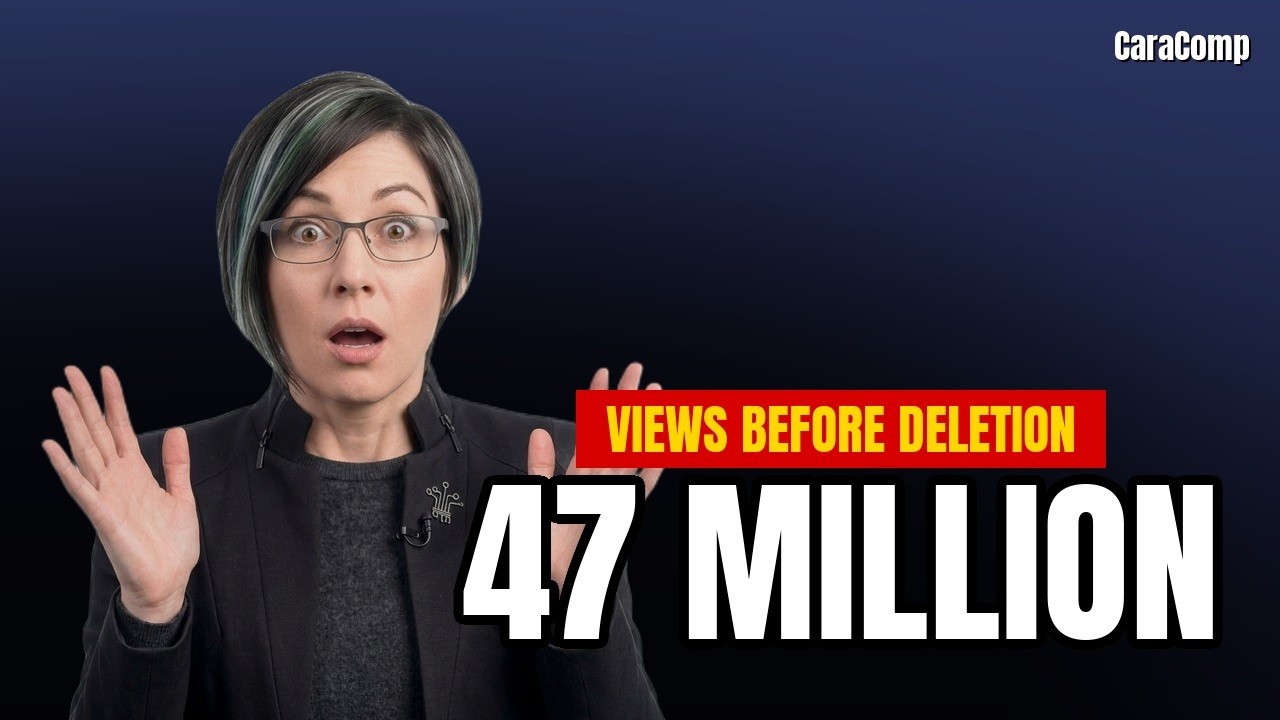
According to PTV News, Meta agreed to two things. Pull fakes down quicker. And hand data to investigators chasing child-abuse cases. But one fake photo of a public figure was seen over forty-seven million times before anyone took it down. That's not a platform failing to notice. That's a platform noticing and still losing the race.
Removing a fake never reaches the copies. It never does.
So if speed can't win, what's the number that actually matters?
Someone in your group chat forwards a video. It looks like a neighbor's teenage daughter. It's fake. By the time anyone flags it, forty people have already watched and shared it. This is the part no law has solved yet. Not how fast they delete it. How far it travels first.
Most damage happens in the first hour.
Researchers writing for Revelum found a hard line. A fake up less than a day can still be contained. After three days, the copies scatter where nobody can reach them. And most harm comes fast. On some apps, half the people who'll ever see a post have seen it in minutes.
A takedown notice can't un-send a text message.
Three stories, one truth. A fake face borrows trust in seconds. It spreads in minutes. And the cleanup comes hours later. We keep measuring how fast things get deleted. But the video always wins the race we're not watching.
Links to every story and today's podcast deep-dives are in the description. See you next time.