First AI Generated Image: Harold
Your teenager's face can become a fake nude. Then someone demands money to keep quiet. It happened to a 19-year-old student in India. Blackmailers faked obscene pictures of him and his sisters. He died by suicide. Would your child tell you, or hide it? By the end, your child won't face this alone.
In the U.S., the FBI says at least 20 young people have died by suicide since 2021. The FBI blames sextortion, blackmail with a private picture.
Harold Cohen's computer drew lines in the 1970s. In 2014, AI faces were gray blurs. By 2023, 9 years later, fakes looked real.
Most people believe software can catch these fakes. Most people also believe a fake must look perfect.
Any picture of your child could be used. Someone only needs a real photo of them. Your eyes can't always tell it's fake.
Here's how it happened to Rahul Bharti.
Rahul Bharti was a 19-year-old student in Faridabad, India. His family's complaint names two men. The blackmailers faked obscene pictures of him and his three sisters.
The fakes arrived on WhatsApp, the complaint says. The blackmailers threatened to spread them unless he paid.
Rahul Bharti died by suicide in October 2025. After his death, his father found a long chat. The chat was with a man named Sahil.
That October, police registered a case against Sahil, Neeraj Bharti and others. His family only read that chat afterward.
If this helps, a like and a subscribe help us keep it coming.
Warning children about strangers won't cover this. Rahul knew both men his family named.
Software won't reliably catch these fakes either. Fake-checkers score 95 to 98 percent in labs. On real posts, the score drops to about 65 percent. Apps squeeze pictures, and the clues get wiped.
Rahul's phone was hacked about 2 weeks before his death. That's what his family's complaint says. Looking back, his father named the signs.
His father told PTC News Rahul had gone quiet. Rahul wasn't eating properly, his father said.
Any parent could read that as ordinary teen stress. A blackmailed teen can look like a tired one.
The Tribune reports Sahil went to Rahul's school. Sahil often visited the Bharti home. That same visitor is named in the police case.
The fakes didn't have to look perfect. A frightened teen doesn't zoom in on earlobes. A frightened teen just goes quiet instead. That silence is what the blackmailer needs.
Tell your child tonight: if anyone sends a fake, come to me. Promise your child won't be in trouble.
Don't pay, not even once. Stop replying, but keep every message. Tell a parent, then report it to the police and the FBI.
Paying the blackmailer rarely ends the threat. Paying often brings more demands.
A fake picture lands on your teen's phone. Your teen screenshots it and stops answering. Your teen shows you that same night. Then you report it inside that account.
The CaraComp write-up on this goes deeper on what to do. The write-up lists every step, in order.
The explainer's author, Cara Candelario, says it plainly. Shame is what a blackmailer counts on. So take the shame away.
This week, warn every child in your house about these fakes. Ask your child who they'd tell first. If your teen is struggling, call or text 988, any time, day or night.
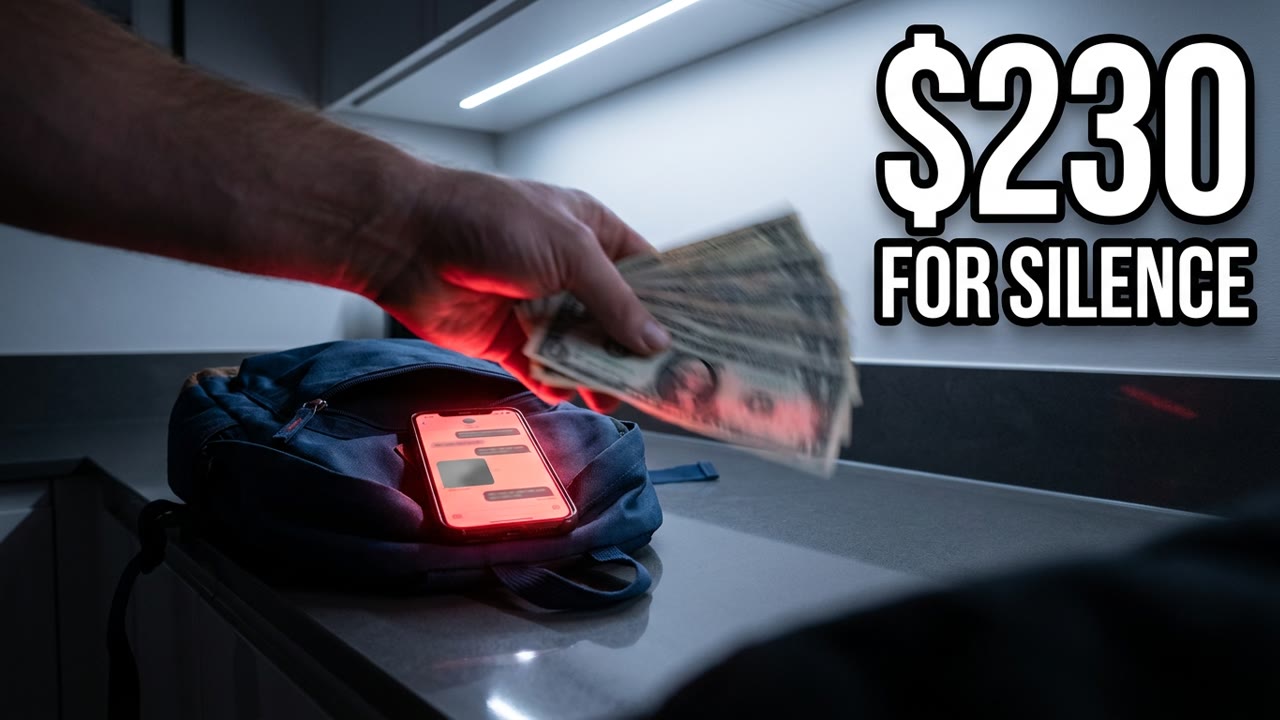
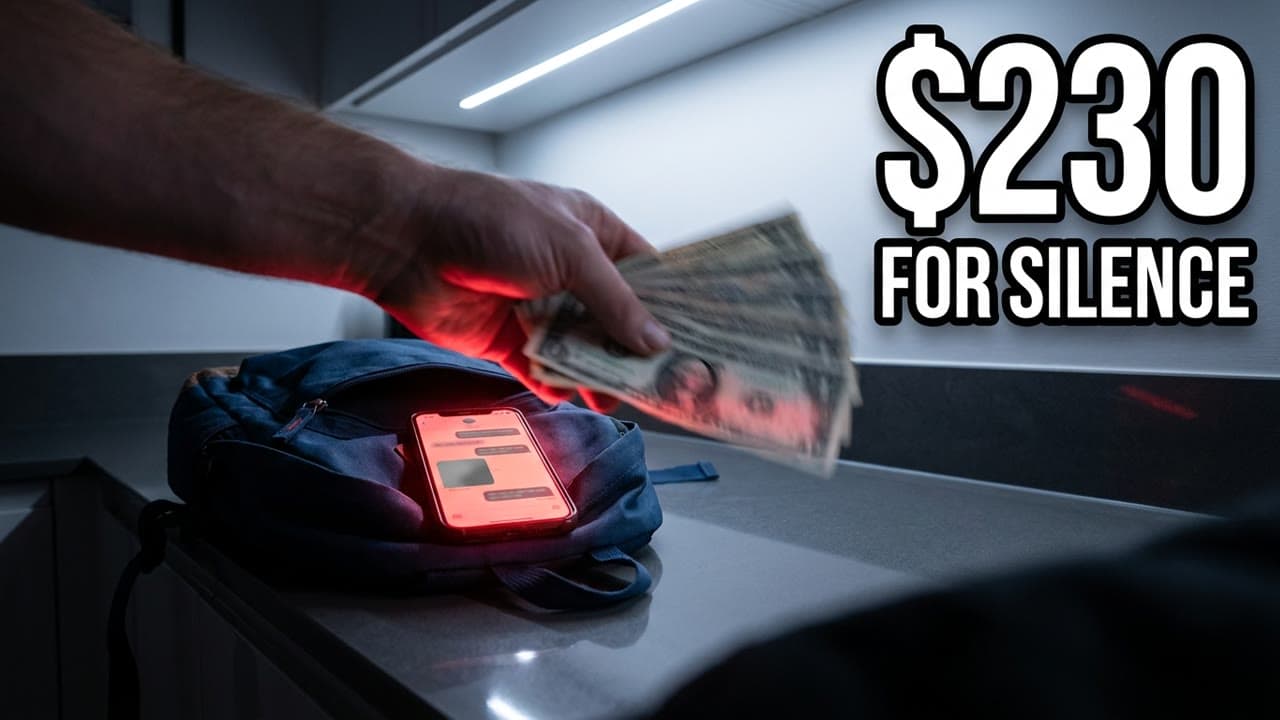
Rahul Bharti's blackmailers demanded about 20,000 rupees. That's around $230. Would your child come to you over $230?
Your eyes won't catch these fakes anymore. But your child can still come to you.
Find a quiet moment with your child tonight. Say these words: come to me, whatever it is. Then watch for silence and skipped meals.
Rahul Bharti's father only found the chat afterward. Say the words tonight, so your child tells you first.
Every day we take one story like this and make it simple. Subscribe and tap the bell. Tomorrow's is free too. See you in today's briefing. If this helps, a like and a subscribe help us keep it coming.