Facial Recognition Security Software
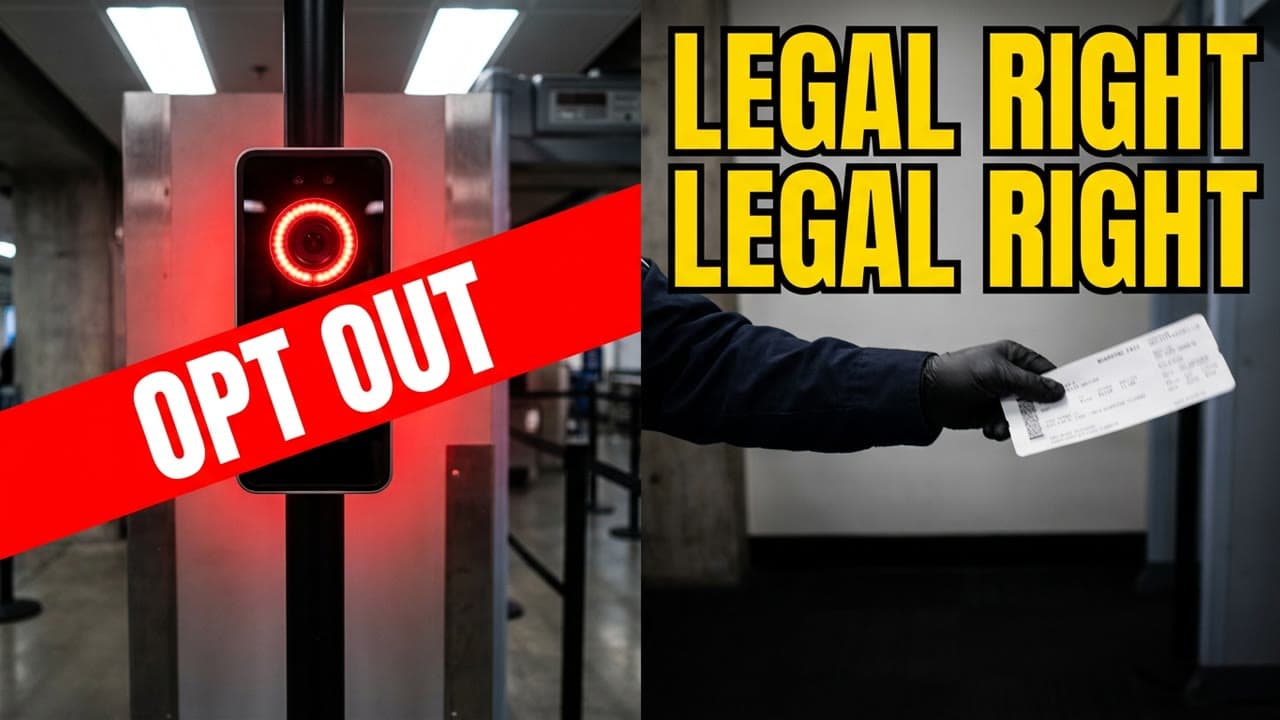
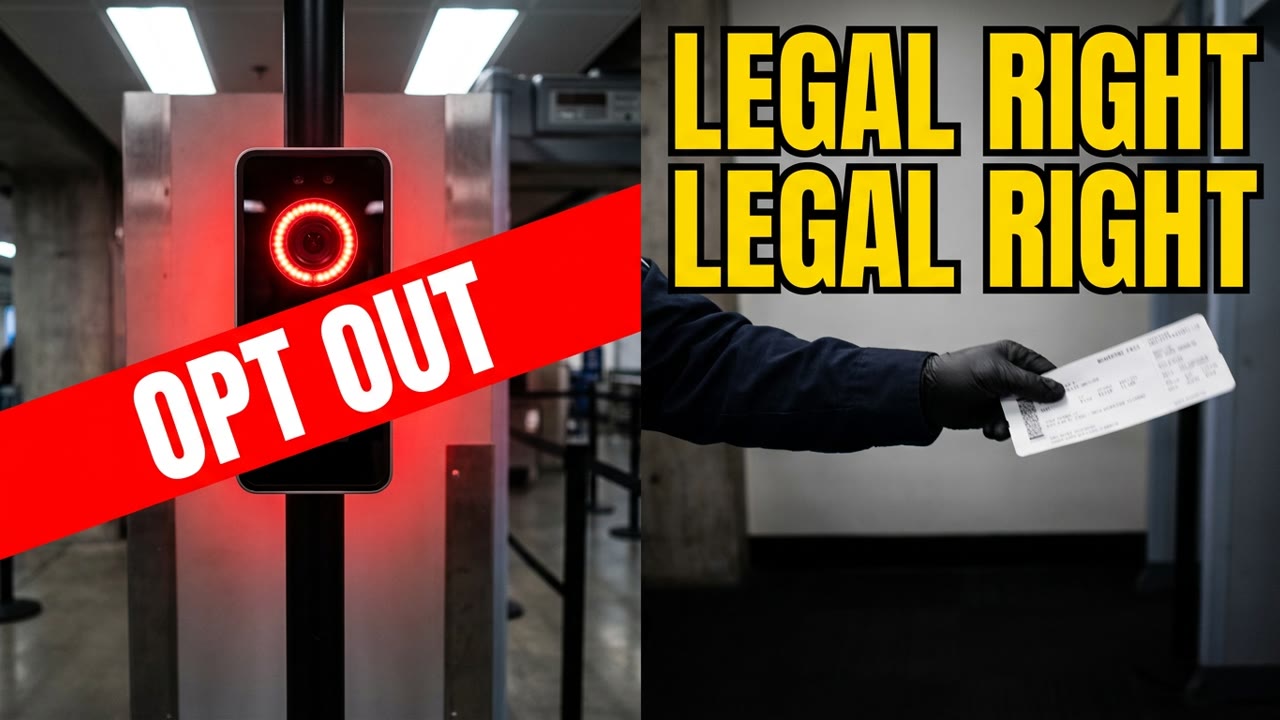
You're standing in the security line at an airport. The agent points you toward a camera. You're allowed to say no to that face scan. You only need six short words to do it. The airport turns your face into a string of numbers. Your face ends up as a score, and a score isn't proof. Most people never find out they can say no.
U.S. border officers scanned 697 million travelers. You might already be one of them.
The write-up put out a guide on April 27 that explains how the scan works. Your face gets turned into a string of numbers. Then they check those numbers against your passport.
The airport checks your face in under 3 seconds. Nobody stops to ask if the match is right.
Your score can come back fast and still be wrong. You're allowed to skip the scan. By the end of this, you'll know the words.
You run into trouble right at step one.
First, the airport snaps your photo at the gate. Next, they check that you're a real, live person. Last, the airport uses your score to decide if you pass.
Microsoft gives every face match a score from 0 to 1. Even your high score only means it's probably you.
At the airport, nobody gets the nice lighting you get in a passport photo. People are walking and talking, and they're wearing glasses. Their bags throw shadows across their faces.
Orlando pushes 17 passengers through every minute. They care more about speed than about a clear photo.
If this helps, a like and a subscribe help us keep it coming.
At the gate, they accept blurry photos they'd reject anywhere else. They still use that blurry photo to score you.
Officers caught 2,225 people with fake papers. For every one person they caught, 313,000 travelers walked through. Every one of those travelers went past that camera. You're almost always the honest one.
They check that you're alive in under 300 milliseconds. That's faster than you can blink. You never even notice it happened.
Say you've aged 15 years since that photo was taken. Your friend would know you, but the airport's score doesn't.
Christopher Gatlin spent 17 months in jail. His face was wrongly matched to a grainy photo.
The police arrested him, not an airport. Airports call this face scan security. The ACLU keeps track of people jailed over face matches.
Every time they match your face, you end up as a number. Someone picks how high that number has to be. AWS says no number is right every time. You end up depending on somebody else's choice.
Your six words are simple. I'd like to opt out, please.
Say the words before you step up to the camera. Hand the agent your ID instead. Stay calm, and just repeat the same words.
First, they ask whether you're a real, live person. Then they ask whether you're really you.
You get to the front of the line. The agent points at the camera. You calmly say your six words. Then you hand over your ID.
CaraComp walks through every step in their write-up. They explain the score in more depth there.
Cara Candelario puts it plainly. A score isn't a verdict. Somebody decides how sure counts as sure.
Teach your child the six words too. Tell your parents before they fly next. Keep your ID ready in your hand.
Your scan goes through 5 separate steps. Any one of those steps can go wrong. Would you trust all 5 at once?
You always had the choice to say no to that face scan. Now you know how to make it.
Open the notes app on your phone. Type your six opt-out words in there. Pin that note for your next trip.
When you get to the line, you'll only have seconds. Save the words tonight, before you fly.
Every day we take one story like this and make it simple. Subscribe and tap the bell. Tomorrow's is free too. See you in today's briefing. If this helps, a like and a subscribe help us keep it coming.