EU Digital Identity Wallet and eIDAS
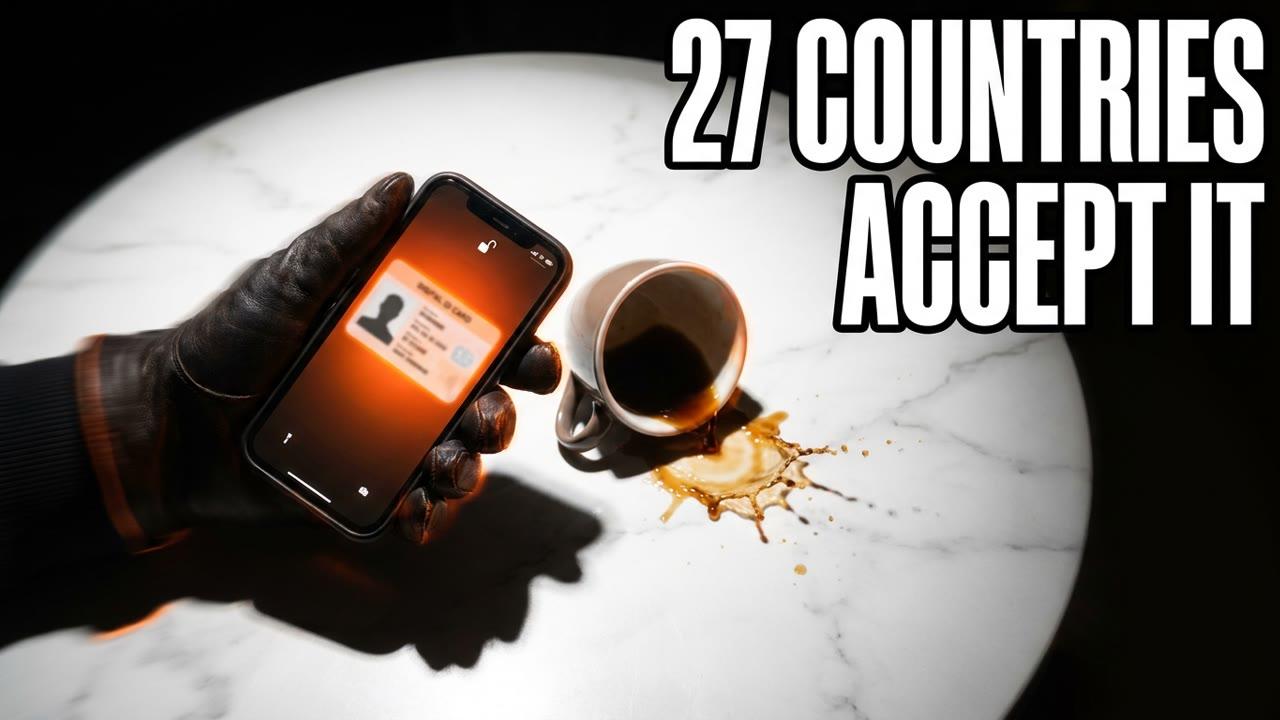
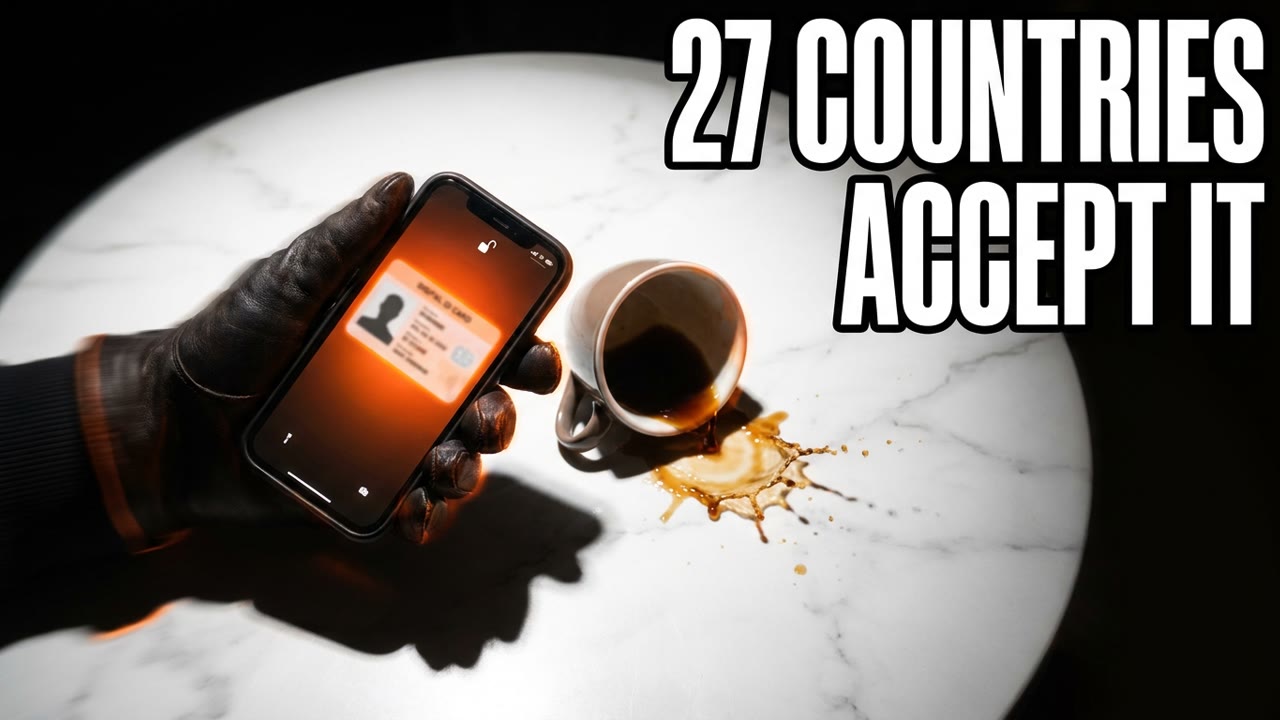
Soon you'll be able to carry your ID on your phone. Every country in the EU has to give you a free app for it. Your government checks who you are once, and it checks carefully. After that, you can prove you're over 18 without showing anyone your birthday. By late 2027, a lot of banks will have to accept it if you ask them to. But who checks who you are first, and how would you even know? By the end, you'll know how to keep your wallet yours.
Roughly 450 million people live in the EU. Anyone who wants a wallet gets one after one strict ID check.
The EU wrote the rules into a law called eIDAS. Your government checks who you are once, and then it signs facts about you to say they're true. You carry those signed facts around on your phone.
The EU calls that first check level high, and it's the strictest level in its rules. Everything you prove later depends on that one first check.
Your government won't accept just a password. It won't accept just a code texted to your phone either. Your app has to belong to one real, living person.
And the EU has already set two dates.
By the end of 2026, every EU country has to have wallets ready for you. By late December 2027, many banks have to accept them. Big websites have to accept them too, when you ask.
You can sum up the rules in one line. Each EU country offers a wallet and accepts the others' wallets.
Some countries ask you for a government ID. Some scan the little chip inside your ID card. Some match a selfie to the photo they have of you.
Banks, energy companies and transport firms are on the list of who has to accept it. Will showing your ID the old way still feel easy?
If this helps, a like and a subscribe help us keep it coming.
Under the law, nobody has to get a wallet. But once your bank takes it, the wallet may become the easy path.
You only do the ID check to set it up in one country. After that, your wallet works in all 27 EU countries. Every one of those countries has to accept it. A bank across the border has to take it too.
Every time you prove something, there are 3 parts. First, your government signs a fact about you. You carry it, and the shop checks your government's signature.
Your phone is built to keep your government's signature on your facts, not your face. Trust Tech says it's designed not to hold your fingerprint either.
Under the rules, a shop that needs your age should only ask for your age. But the shop has to build its own system right.
You can find the law's rules for keeping wallets safe on EUR-Lex. Every shop and bank that checks your wallet uses public lists to tell which government signatures are real. If hackers broke into one, banks everywhere could be fooled.
When you log in later, nobody repeats your first ID check. Let's say you show your Polish wallet to a German bank. The bank checks the Polish government's signature against a public list. So if your first check was wrong, every bank believes it.
Only get your wallet from your own government's website. Never install a wallet from a link in a message.
If a message offers you a wallet link, delete it. Type your government's web address in yourself. Only set up your wallet on a phone you control.
Your wallet is protected two ways, and the first is the ID check when you set it up. The second is the lock on your phone's screen.
Say a shop asks your wallet for a fact about you. First, read what the shop is asking for. If it only needs your age, only share your age. If it wants your whole record, say no.
CaraComp has a write-up on this that goes deeper. In it, Cara Candelario explains how the setup check works.
Cara Candelario says setting it up is the step you really have to take seriously. Your wallet is only as safe as your phone is. Protect that phone with a strong lock.
Check your wallet's history to see who asked for your information. Tell your parents never to tap a link for a wallet. Ask your bank what it's going to ask you for.
The EU wants 80% of its citizens using a digital ID by 2030. That's hundreds of millions of people. Will your family be one of them?
Your ID is going to depend on one check and one phone. Now you know how to protect both.
Tonight, put a long passcode on your phone. Keep that passcode in your head and nowhere else. Never hand your phone to anyone while it's unlocked.
The law says wallets are due by the end of 2026, but many countries will be late. Lock your phone tonight, before you put your ID on it.
Every day we take one story like this and make it simple. Subscribe and tap the bell. Tomorrow's is free too. See you in today's briefing. If this helps, a like and a subscribe help us keep it coming.