You walked through a theme park turnstile last summer. A camera read your face. You never knew. That's the heart of a new lawsuit against Disney. It isn't really about whether the technology worked. It's about whether you ever agreed to it. The only warning was a small sign with a crossed-out face, easy to miss while juggling kids and sunscreen.
According to KTLA, the class-action suit seeks five million dollars, claiming roughly seventy-five thousand daily visitors were scanned without meaningful consent. Disney says the face data gets deleted within thirty days. But annual passholders return again and again. For the matching to work, something has to be saved.
The accuracy was never the problem. The invisibility was.
If consent is now the courtroom battle, what happens when a whole country makes the scan mandatory?
A shopkeeper in Jakarta buys a new SIM card next month. Before it activates, a camera checks her face against her I.D. No opt-out. It's the law now. Indonesia is making facial verification mandatory for every new phone line. The reason is brutally specific. Scammers used fake registrations to drain real people's money.
According to Biometric Update, Indonesia's anti-scam center traced about two hundred seventy-nine million dollars in losses to improperly registered SIM cards. A five-month trial enrolled roughly one-point-four million users before the rollout.
Enrollment at scale without oversight isn't protection. It's a bigger target.
Speaking of fakes slipping through, one clip fooled everyone before a single person checked it.
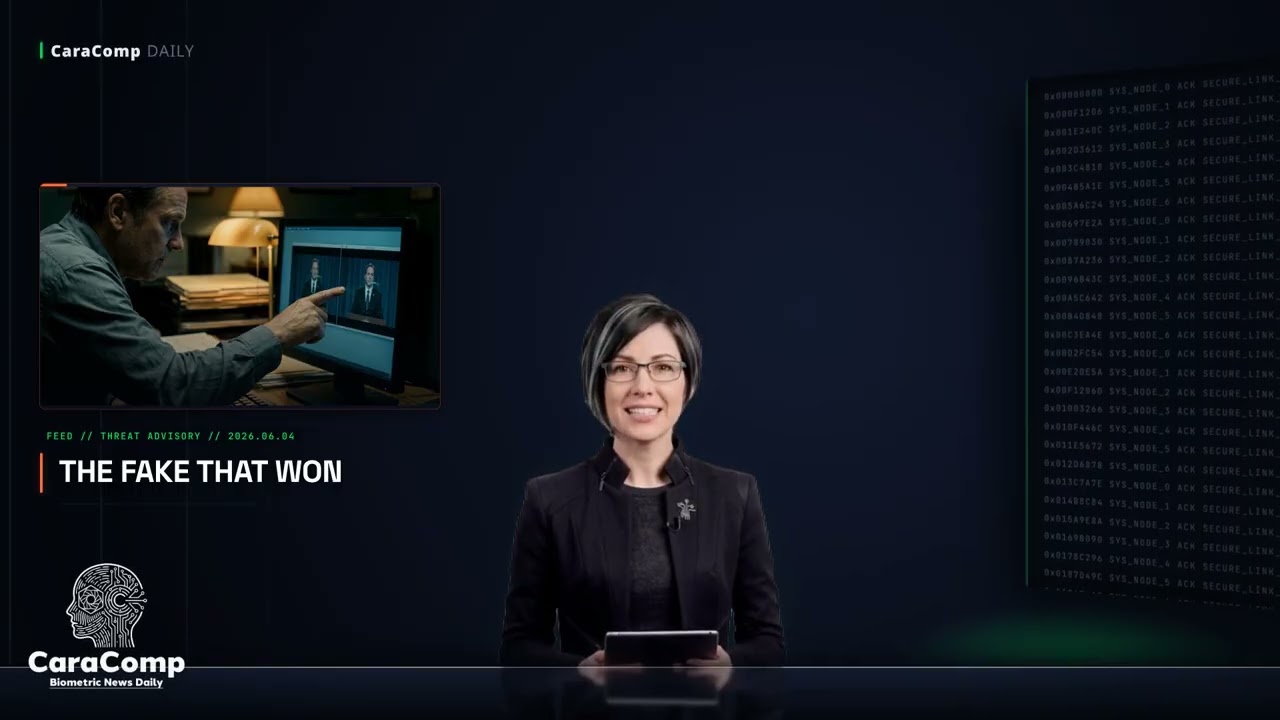
A fact-checker in India finally ran a viral video through a detector. A popular YouTuber appeared to praise a political party. The voice was synthetic. The whole thing, generated. By then, thousands had already watched and shared it. The tool caught it instantly. The problem is nobody used the tool until it was too late.
According to The Quint, Hive Moderation flagged the audio at over ninety-eight percent confidence. Surfshark reports thirty-eight countries have faced election deepfakes since twenty twenty-one, reaching billions of people.
The detection works. The discipline to run it before sharing? That's still missing.
Three stories, one shift. The technology mostly works now. What's failing is everything around it. Consent at Disney. Oversight in Indonesia. A checking habit in newsrooms. The face scan is the easy part. The trust we build around it is the real fight.
Links to every story and today's podcast deep-dives are in the description. See you next time.