A voice you trust no longer proves who made the song.
A fan plays a new song from her favorite singer. The voice is perfect. He never sang it. In the U.S., no federal law stops A.I. from copying a singer's voice. Deepfake laws by state are a patchwork.
A voice you trust no longer proves who made the song.
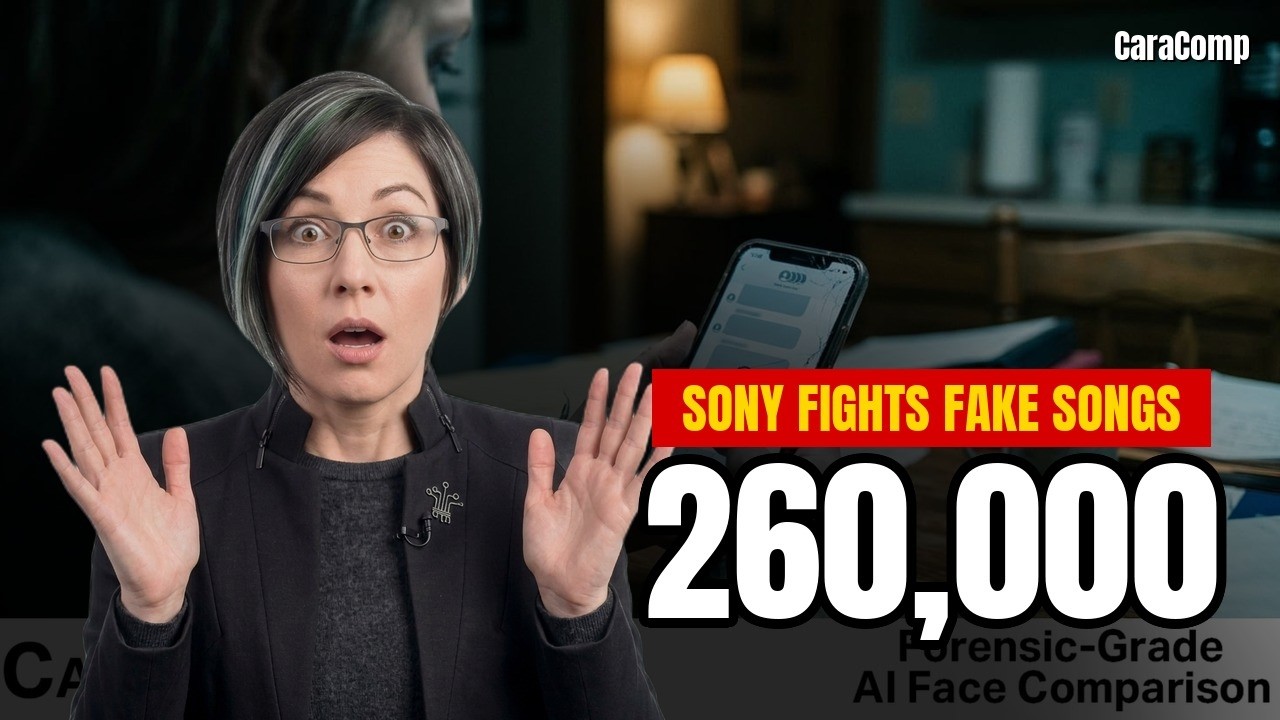
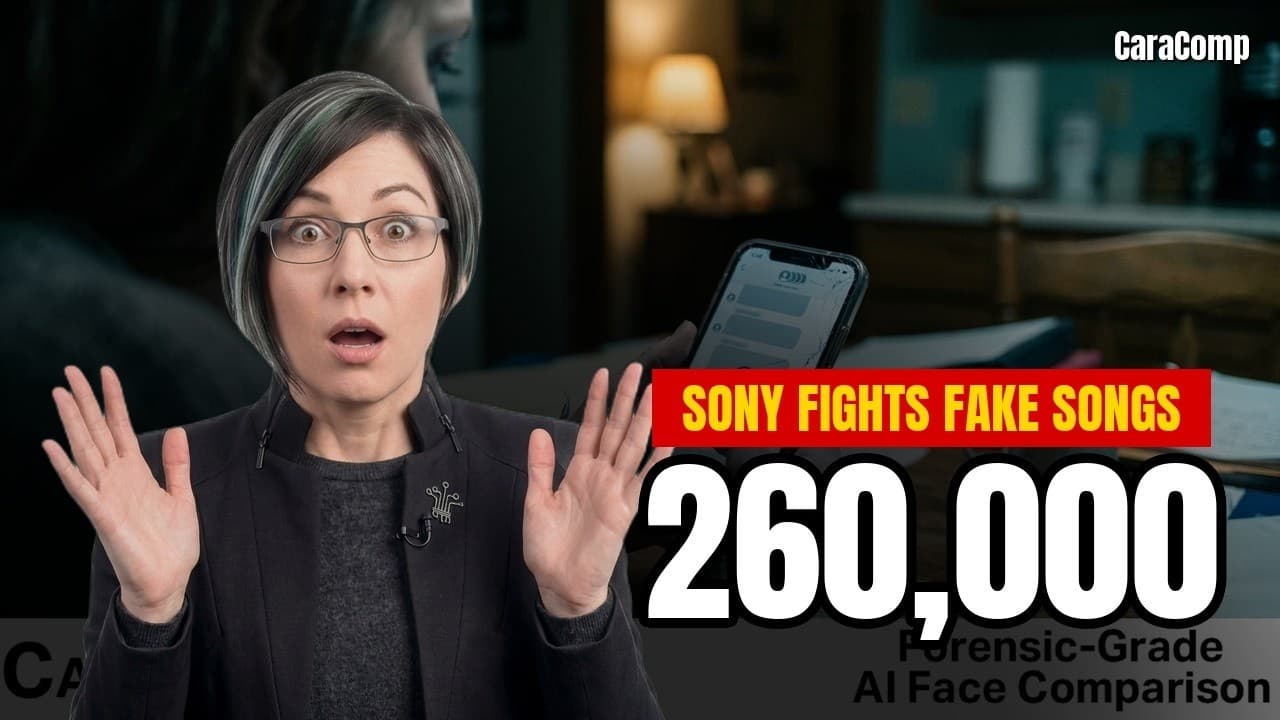
According to CelebrityAccess, Sony Music has asked platforms to remove more than two hundred sixty thousand fake songs. That's not a prank. That's a factory. Detectors score near perfect in a lab. On real-world sound, they fail more than half the time. For anyone who checks audio as evidence, the sound alone proves nothing.
If experts' tools miss that often, your ears aren't the weak link.
If a voice can lie, how does an app know a child's age?
A twelve-year-old types 1990 into a birthday box. It takes two seconds, and nobody's fooled. Apple age verification tries to make that box mean something. An app asks one small question: adult or child? In places like Brazil, a parent can choose whether to share the answer.
Apps get an adult-or-child answer, not your kid's birth date.
According to The Conversation, the usual way is riskier. Many sites ask for a selfie or a government I.D. Those companies have to store it. That raises the risk of theft. For security teams, it's the gap between checking an age and collecting an identity.
Proving you're an adult shouldn't mean handing a stranger your face.
Sometimes, though, a machine really does need your face. And it's picky.
It's eleven at night. You upload your passport photo. A red banner says rejected, with no reason. Passport photo guidelines read like friendly advice. But software often does the first check. It measures your face, point by point.
Your photo is a measurement, not a portrait.
According to Kubus Photo, about one in four passport photos gets turned down. Take a smile. It lifts your cheeks and narrows your eyes. That moves the exact points the scanner measures. The State Department pairs these machine checks with human reviewers. For anyone who compares faces, it's the same rule: a neutral face matches best.
A rejection isn't about your looks. It's a number outside a range.
A copied voice. A birthday box. A passport photo. Each story asks one question: is this really who it claims to be? The best checks ask only what they need. The weak ones ask too much, or catch too little.
Links to all three stories, every source, and today's podcast deep-dives are in the description, with more from CaraComp. See you tomorrow.