A finance employee in Hong Kong joined what looked like a normal video call. The C.F.O. was there. Colleagues were there. Every single face was fake. By the end of the meeting, he'd authorized about twenty-five million dollars in transfers. None of the people on that call existed. This isn't a one-off horror story anymore. Deepfake-enabled fraud jumped three thousand percent between 2022 and 2023, and it's now hitting elections, banks, and courtrooms at the same time. For anyone who's ever taken a video call with their boss, that's the part that should land.
According to Corporate Compliance Insights, starting in January, boards must formally disclose deepfake and social engineering incidents. It's no longer an I.T. problem.
The fraud isn't artisanal anymore. It's industrial.
And the law is finally catching up to the people behind it.
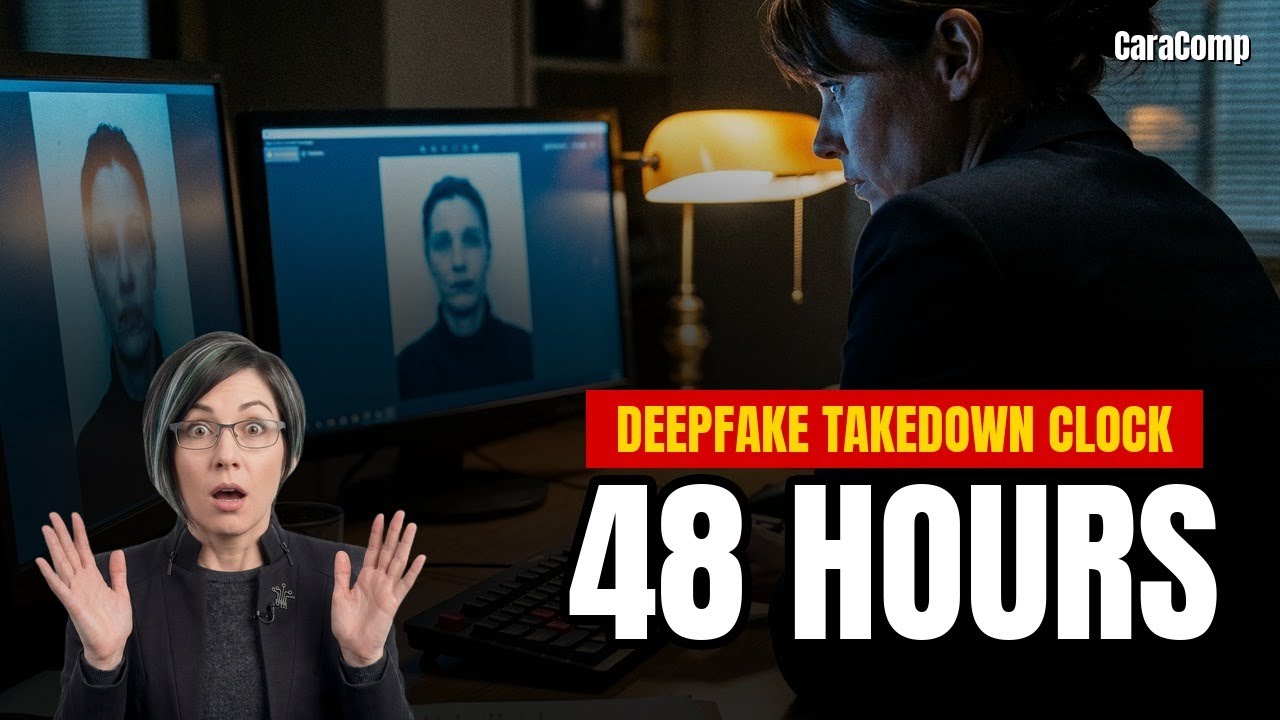
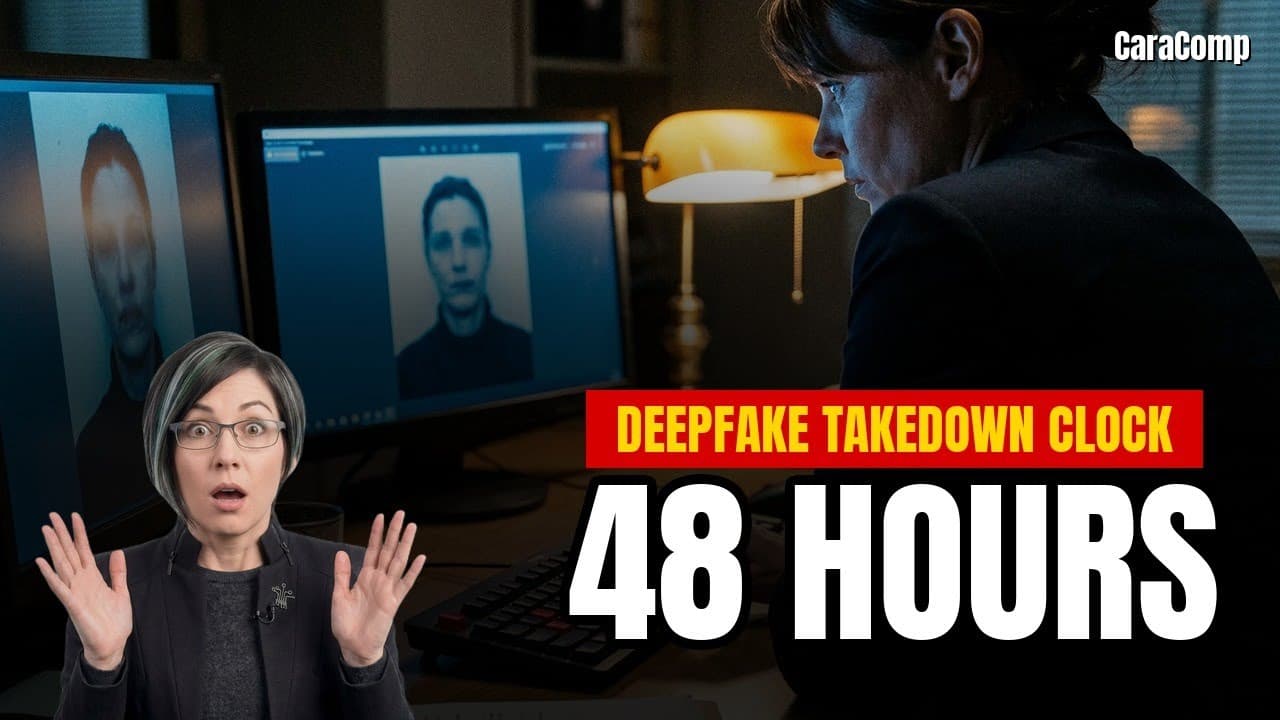
Two men were arrested this week in the first federal charges under the new Take It Down Act. In New Zealand, a man received twenty-four months of supervision for creating deepfake pornography. First sentencing of its kind. Forty-six U.S. states now have laws on the books targeting synthetic media. And as of May, every major platform has exactly forty-eight hours to remove a reported deepfake. Not a week. Two days. For parents worried about their kids' faces ending up somewhere they shouldn't, the rules just changed.
According to N.B.C. News, the first federal conviction involved content that was viewed nearly a million times before anyone took it down.
A million views. Forty-eight hours. Somewhere between those two numbers is a very expensive problem.
Because the harder question isn't legal. It's whether you can even tell what's fake.
Researchers played deepfake audio for trained listeners and asked them to spot the fakes. Average accuracy? Below sixty percent. Worse than a coin flip. The synthesizers aren't just fooling your aunt on Facebook. They're beating people actively trying to catch them. Anyone who's ever gotten a panicked phone call from a family member should sit with that. The good news? Real speech leaves physical fingerprints. Tiny irregularities in vocal cord vibration. Heartbeat artifacts in the waveform. Things a body produces that software can only imitate.
According to a 2025 arXiv study called Pitch Imperfect, a model analyzing just six acoustic features catches synthetic speech with ninety-three percent accuracy.
A deepfake isn't a bad recording. It's a perfect recording of something that never happened.
Three stories. One pattern. Deepfakes left the internet and walked into your bank, your ballot, and your voicemail. The technology raced ahead. The law just sprinted to catch up. And the only thing slower than both? Human perception.
Links to every story and today's podcast deep-dives are in the description. See you tomorrow.