An employee in Hong Kong joined a video call with his executives last year. Familiar faces. Familiar voices. He authorized a transfer. Twenty-five million dollars. Gone. The executives weren't real.
That employee worked for Arup, a U.K. engineering firm. And his story isn't an outlier anymore. It's the operating environment. If you've ever taken a work call you didn't record, this is your problem too.
According to TechRadar Pro, three out of four U.K. organizations have already been hit by a deepfake attack. Only forty percent feel ready for the next one.
That gap, attacked constantly, prepared rarely, is exactly the condition that produces catastrophic failure. Audio is now the dominant attack vector. Every recorded statement, every voice note, every Teams call is suspect by default.
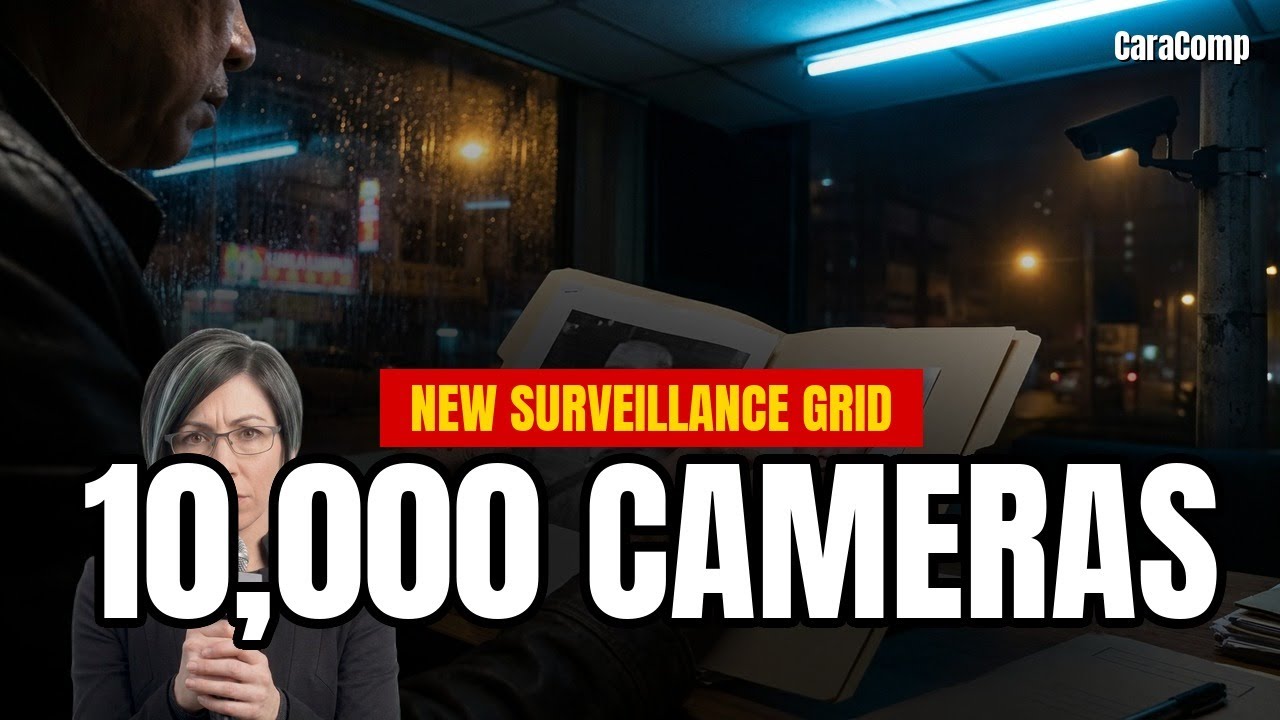
And if recorded voices can lie, what happens when ten thousand cameras decide who you are?
Somewhere in Kuala Lumpur tonight, a commuter walks past a camera and gets flagged. A match. A potential suspect. The officer who receives that alert has no published accuracy benchmark to check it against.
Malaysia just spent roughly a hundred and twenty-six million U.S. dollars deploying ten thousand smart cameras with facial recognition across the capital. For the everyday commuter, it means your face is now infrastructure.
According to The Rakyat Post, authorities credit the system with cutting snatch theft by nearly sixty percent. But Malaysia's data protection law doesn't cover government agencies.
No public framework. No independent audit. No named algorithm. The cameras are up. The matches are flowing. The first defense lawyer to ask 'how accurate is this system' is going to get silence.
And silence is exactly what you get when you ask a deepfake detector about a fake it's never seen.
Imagine a forensic examiner trained to spot forged signatures using only samples from 2020. By 2026, the forgers have changed everything. Ink, paper, pressure. The examiner isn't incompetent. She's just reading a reference library that stopped representing reality.
That's exactly what's happening inside deepfake detection software right now. The viewer who assumes 'the A.I. caught it' should know the A.I. is often looking for last year's fingerprints.
According to IEEE Spectrum, a detector scoring near-perfect on its training data collapses to barely better than a coin flip on fakes from a different generator.
That's a thirty-three point freefall. The algorithm didn't break. The fakes just got made differently. Detection isn't a finish line. It's a checkpoint you keep moving, every spring and every fall.
Three stories. One pattern. Synthetic media is outrunning the people verifying it. Cities are outrunning the courts that judge them. Detectors are outrunning their own training data. The technology is operational. The accountability is still being drafted.
Links to every story and today's podcast deep-dives are in the description. See you next time.