Biometric Payment Authentication: How

You touched your thumb to your phone at the checkout counter this week. Ask yourself what the store got. Most people picture a copy of their fingerprint landing in a company folder. That fear has a good reason behind it. Every card number you hand a shop sits on somebody's system, and when that system leaks, your money is the thing that walks. So here is what you get in the next four minutes. You will know exactly what your phone sends to the register. You will know the one question that tells you whether an app is checking you or collecting you. And you will know which way to pay so a store never holds anything worth stealing.
Your phone sends the register 1 token. That token works for 1 purchase and then it is dead. Steal it tomorrow and it buys nothing. Hold that number in your head.
Biometric Update reported this on September 17, 2026. Google Pay is rolling out phone unlock for Mastercard purchases in India. Mastercard calls that setup CDCVM, which just means your phone confirms it is you instead of a typed code. The card network never asks for your thumb.
That is because your thumb was turned into a template once. It was made the day you set up the phone. It has sat on that 1 device ever since. So why does the word biometric still scare people?
Two different things share one word. Authentication means your phone checks you. Collection means a company keeps a copy of you. People hear biometric and assume the second one.
So walk through the first thing your phone actually does. You touch the sensor or you look at the camera. Your phone compares that fresh scan to the template already sitting inside it. Nothing has left the phone yet.
Because of that, the sale runs in three moves. Your phone matches the scan to the saved template. Your phone then makes a one-time token. The terminal passes that token to the payment network. Your fingerprint sat out all three moves.
Regula Forensics put it flatly. Apple Pay, Google Pay and Samsung Pay check on the phone. The shop never sees the face or the print.
So what is inside that template. Chargebacks911 says it is a set of numbers. The numbers hold distances and angles between ridge endings and forks. There is no picture of your thumb in there at all.
That design kills the big prize. The sensor, the template and the decision all live on 1 device. A thief cannot raid 1 server and walk out with thousands of prints. There is no pile to raid.
If this helps, a like and a subscribe help us keep it coming.
So far this looks like good news. But your card number is still the thing shops hold, and shops get breached. Some payment apps are built one way and some the other. What separates them is not the sensor. It is one choice made before you ever touched the screen, and it is not the choice you think.
Compare a text code to a token. The text code travels through 2 outside systems before it reaches you. The token travels through 0. A code that sits in someone else's inbox is not yours.
Stax Payments tracks the money behind this. In 2023 the biometric payment market was worth about $8.6 billion. By 2032 it is projected at $34 billion. That is roughly 16 percent growth every year. This is not a pilot anymore.
Picture checking into a hotel. Your thumb opens room 412, but the front desk keeps no thumb on file. It hands you a card cut for 1 room and 1 stay. Drop that card in the parking lot and it opens nothing.
So the token is cheap and your thumb is not. A password can be changed in 30 seconds. A fingerprint cannot be changed in a lifetime. That gap is the whole reason the raw print stays home.
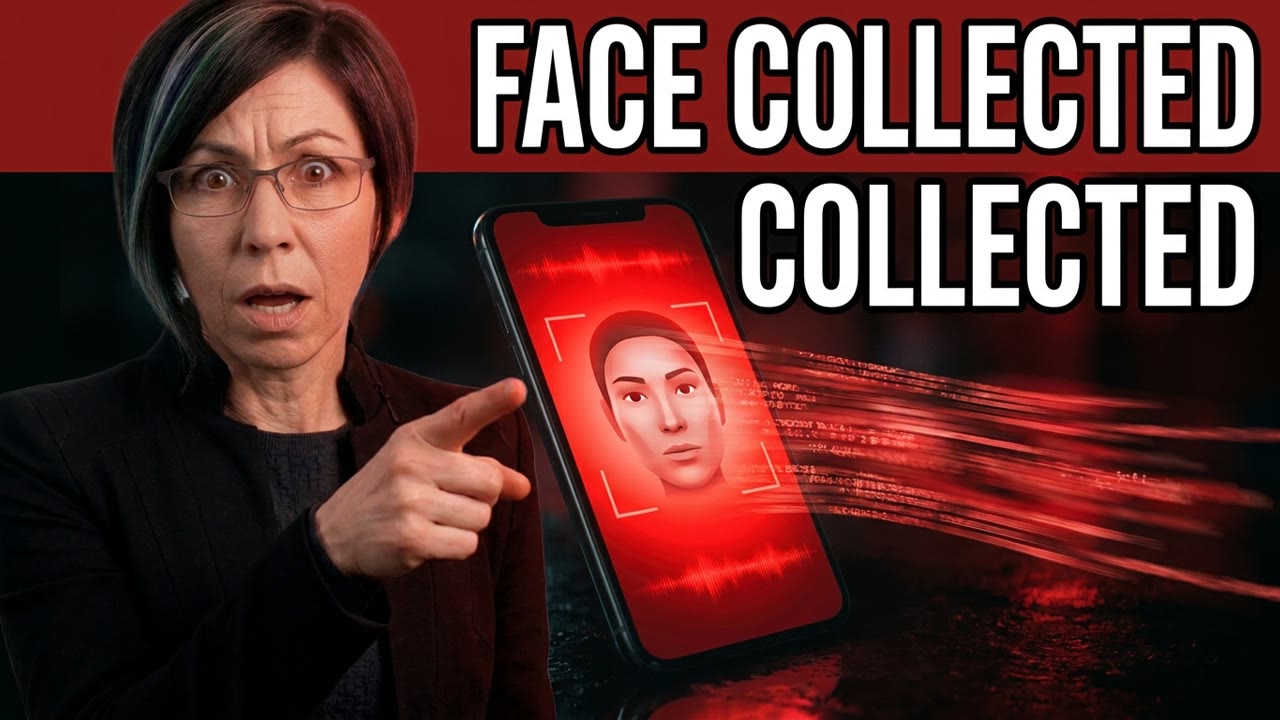
Now look at a payment app that opens its own camera. The screen says it is verifying you for your safety. But that app is asking you to register your face with the company, not with your phone. Safety is the word on the screen while the copy is being made.
So the danger was never the fingerprint. The danger is which scan you agreed to. A phone unlock keeps the template on your device. An app camera scan may ship your face to that company's servers. Same finger, same face, and 2 completely different places it ends up.
The answer to that split is this. Confirm payments with your phone's own unlock, not an app's camera. Watch which screen comes up when you pay. Your phone's unlock screen means the check stayed home.
So do this at your next purchase. Watch which screen appears when the app asks you to approve. Choose the phone unlock option if the app offers both. Stop and read the terms if the app opens its own camera.
Two separate locks are doing this work. CDCVM confirms the buyer is really you. Tokenization hides the card number itself. NMI says breaking 1 lock does not open the other.
So here is the whole run, end to end. Your thumb meets the sensor. The template inside the chip says yes. A one-time token leaves for the terminal. The network clears the sale and the token expires. Your print never moved an inch.
The CaraComp write up on this goes deeper on what to do. It walks through what a template holds number by number. It also links the earlier piece on why a face is 512 numbers. The terms are all explained in plain words there.
Stax Payments describes where the data sits. It stays on your own device. It never lands on the shop's system or the processor's.
Give your wallet apps a look this week. Open each payment app and find its security settings. Turn on phone unlock approval wherever the app offers it. Remove any face you registered directly with a payment company.
Come back to the number that started this. An intercepted token can be reused 0 times. A text code sometimes still works for a few minutes. 0 is the number worth paying for.
You came in afraid the store was filing your fingerprint. You leave knowing the store gets a token that dies on use. And you leave with a test you can run at any counter. Watch which screen asks for your thumb.
So the check is one glance. Look at the top of the approval screen. Your phone's own unlock means the template stayed put. The app's own camera means ask where that scan is going.
Keep the hotel picture. Your thumb opens the door but never leaves the room. Only the key card goes out, and it fits 1 lock. Let the card travel and keep the thumb home.
Every day we take one story like this and make it simple. Subscribe and tap the bell. Tomorrow's is free too. See you in today's briefing. If this helps, a like and a subscribe help us keep it coming.