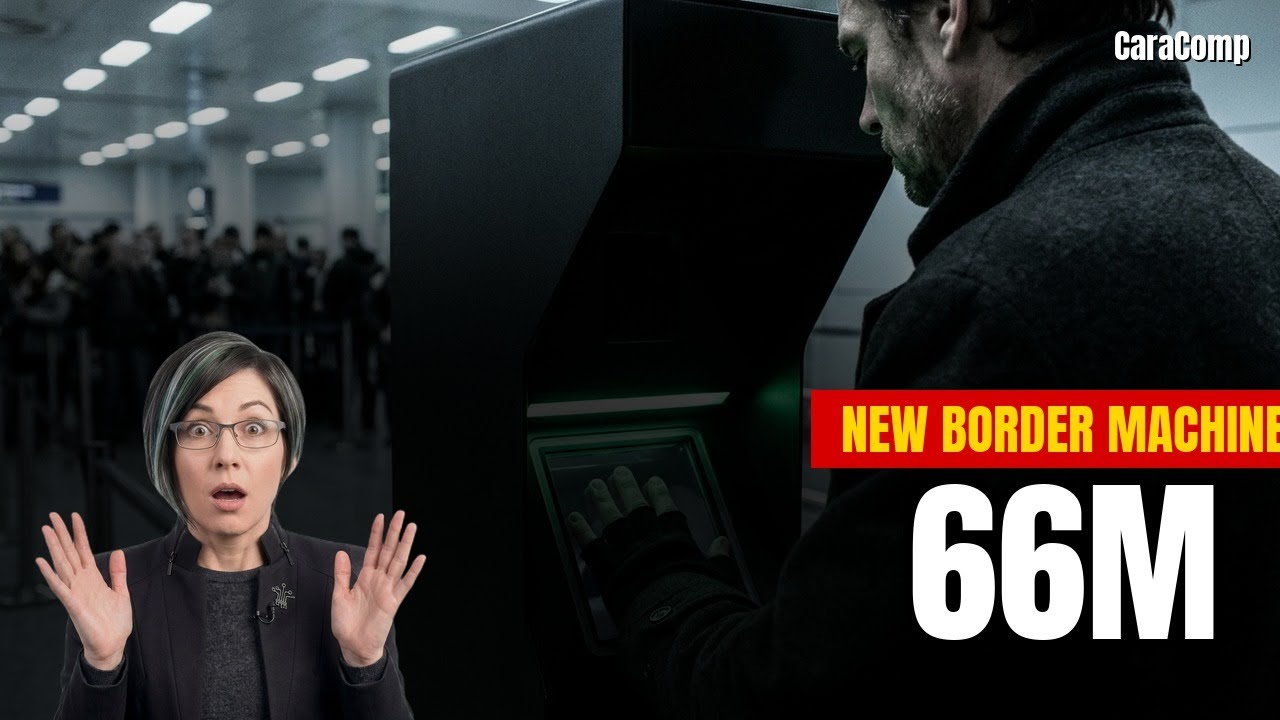
A Milan-to-Manchester flight took off with 34 passengers on board. The other 122 were still stuck in a biometric queue. Europe's Entry-Exit System works. The airports around it don't. In six months, the system logged 66 million crossings, refused entry to 32,000 people, and flagged nearly 800 security threats. The matching held. The checkpoints buckled, with Easter wait times stretching two to three hours across the Schengen zone.
According to Biometric Update, daily fingerprint checks jumped from 17,000 to roughly 87,000 across 29 countries. The Commission's own roadmap doesn't ask for better algorithms. It asks for faster lanes.
The algorithm works. The checkpoint doesn't. That's the whole story of biometrics in 2026.
If borders are stumbling on operations, regulators are quietly rewriting what counts as proof.
A clerk at the Australian Tax Office is writing a procurement spec for liveness detection. Not a fintech. A tax agency. That single detail tells you identity verification has stopped being a signup checkbox. It's becoming the foundation everything else sits on. Regulators in the U.K. now require certified providers under the Digital Identity and Attributes Trust Framework. Deepfakes broke the assumption that seeing a face is enough to trust it.
Biometric Update calls this trust by design. Governance, audit trails, certification, all baked in from day one. Bolt-on compliance is over.
If you've ever uploaded a selfie to open an account, that selfie now lives inside a legal chain of custody. The match is just the beginning. The audit trail is what survives court.
And what if the match itself isn't as solid as the score suggests?
An investigator opens a grainy parking-garage still and runs it against a database. The software returns 98 percent confidence. It feels conclusive. It probably isn't. Top-ranked facial recognition algorithms can lose 30 to 40 percentage points of accuracy the moment they leave the lab and meet real surveillance footage. Same algorithm. Same confidence number. Completely different reality.
According to Biometric Update's analysis of India's billion-person Aadhaar market, vendors are now judged on liveness, scalability, and demographic performance, not one headline score.
A benchmark is an E.P.A. sticker. Your case is rush-hour traffic with the heat on. Read the conditions, not just the number.
Three stories. One thread. Biometrics has graduated from research to infrastructure, and infrastructure gets judged differently. Not by lab scores or launch demos, but by queues, audit trails, and whether the evidence holds up when someone pushes back.
Links to every story and today's podcast deep-dives are in the description. See you tomorrow.