
Face Recognition Camera: Smart Security Systems for Continuous Surveillance
A face recognition camera represents advanced security technologies that combine traditional surveillance systems with intelligent facial recognition software to provide continuous surveillance and enhanced protection. These smart home security products use sophisticated sensors to capture facial data, can detect unauthorized access, and trigger alerts when unknown individuals approach monitored areas. Leading brands like Hikvision and Lorex have developed face recognition camera systems that integrate seamlessly with existing home security and commercial installations. Modern face recognition cameras leverage cutting-edge technologies to analyze facial features in real-time, offering superior protection compared to conventional surveillance systems. Whether for residential smart home applications or large-scale commercial deployments, these innovative products deliver reliable performance through advanced capture capabilities and intelligent processing systems.
What is a Face Recognition Camera and How Does It Work?
Face recognition cameras are sophisticated security systems that combine traditional video surveillance with advanced biometric technologies. Unlike standard security cameras that simply record footage, these smart devices use specialized sensors to capture facial data and process it through intelligent recognition algorithms. The core technology relies on sensors that detect facial features, analyze geometric patterns, and compare them against stored databases to identify individuals.
The capture process begins when the camera's sensors detect a human face within the field of view. Advanced technologies then extract distinctive facial characteristics, creating a unique biometric template. These systems utilize powerful processors to perform real-time analysis, enabling them to recognize faces even under challenging lighting conditions or varying angles. Modern face recognition cameras integrate seamlessly with smart security systems, providing automated identification without requiring manual intervention.
The underlying technologies powering these systems have evolved significantly, incorporating machine learning algorithms that improve accuracy over time. Smart sensors can distinguish between authorized personnel and unknown individuals, while capture mechanisms ensure high-quality image data for reliable identification. These sophisticated systems represent a major advancement in security technologies, offering capabilities far beyond traditional surveillance products.
Top Face Recognition Camera Systems for Home Security
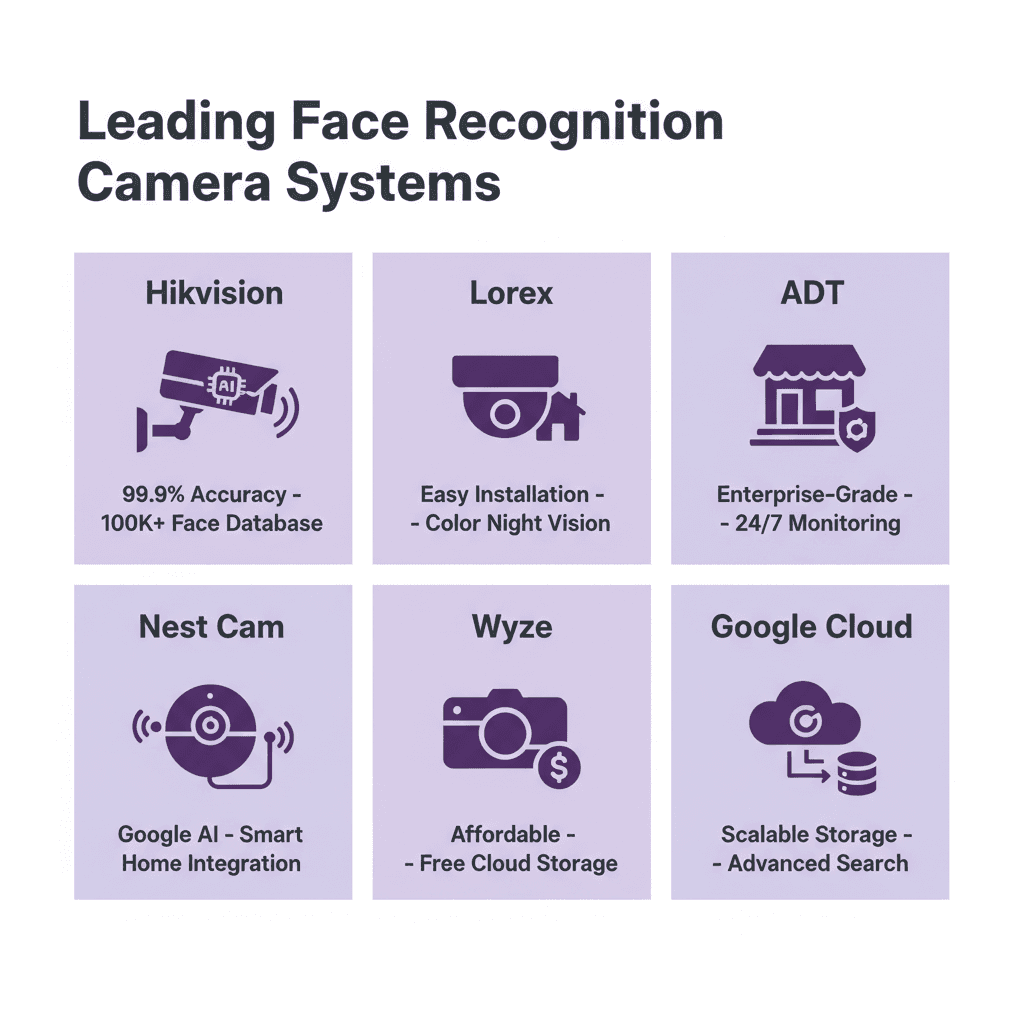
Face recognition cameras provide continuous surveillance solutions tailored specifically for home security applications. Hikvision leads the market with comprehensive products designed for residential installations, offering advanced facial recognition capabilities combined with user-friendly smart home integration. Their systems deliver reliable performance for homeowners seeking enhanced protection against unauthorized access.
Hikvision face recognition cameras stand out for their exceptional accuracy and robust feature sets. These products incorporate advanced sensors, cloud-based storage options, and mobile app connectivity for remote monitoring. The company's home security systems support multiple user profiles, allowing families to register authorized individuals while automatically alerting homeowners when unfamiliar faces are detected. Hikvision's technologies integrate with existing smart home ecosystems, providing seamless operation alongside other security products. (Source: https://www.hikvision.com/us-en/core-technologies/ai-analytics/facial-recognition/)
Lorex offers another excellent option for residential face recognition camera installations. Their products emphasize ease of installation and intuitive operation, making them accessible for homeowners without technical expertise. Lorex systems provide continuous surveillance with intelligent facial recognition, motion-activated recording, and comprehensive storage solutions. These home security cameras support both local and cloud storage, giving users flexibility in how they manage recorded footage. (Source: https://www.lorex.com/collections/security-cameras-and-systems)
Budget-conscious consumers can explore options from Wyze and Nest Cam, which offer smart home integration at competitive price points. (Source: https://www.wyze.com/products) While these products may not match the advanced capabilities of Hikvision or Lorex systems, they provide solid face recognition functionality for basic home security needs. Both brands prioritize user-friendly mobile applications and affordable subscription models for cloud storage services.
Commercial Face Recognition Camera Technologies
Commercial applications demand more sophisticated face recognition camera systems capable of handling high-volume traffic and complex security requirements. ADT provides enterprise-grade solutions specifically designed for business environments, incorporating advanced technologies that support large-scale deployments. These commercial systems offer enhanced processing power, extensive storage capabilities, and robust integration with access control platforms. (Source: https://www.adt.com/business)
Commercial face recognition cameras differ significantly from residential products in terms of scalability and feature depth. ADT systems support hundreds or thousands of registered users, making them ideal for office buildings, retail locations, and industrial facilities. These solutions incorporate redundant storage systems, ensuring that critical security footage remains accessible even during hardware failures. Commercial installations typically involve multiple camera units working in coordination, providing comprehensive coverage across large properties.
Enterprise systems from leading manufacturers integrate facial recognition with access control, time and attendance tracking, and visitor management solutions. These commercial technologies enable businesses to automate security processes, reduce reliance on physical credentials, and maintain detailed audit trails. Advanced commercial products support custom alert rules, allowing security personnel to receive notifications based on specific criteria such as VIP arrivals or blacklisted individuals entering premises.
Smart Features: Continuous Surveillance and Unauthorized Access Detection
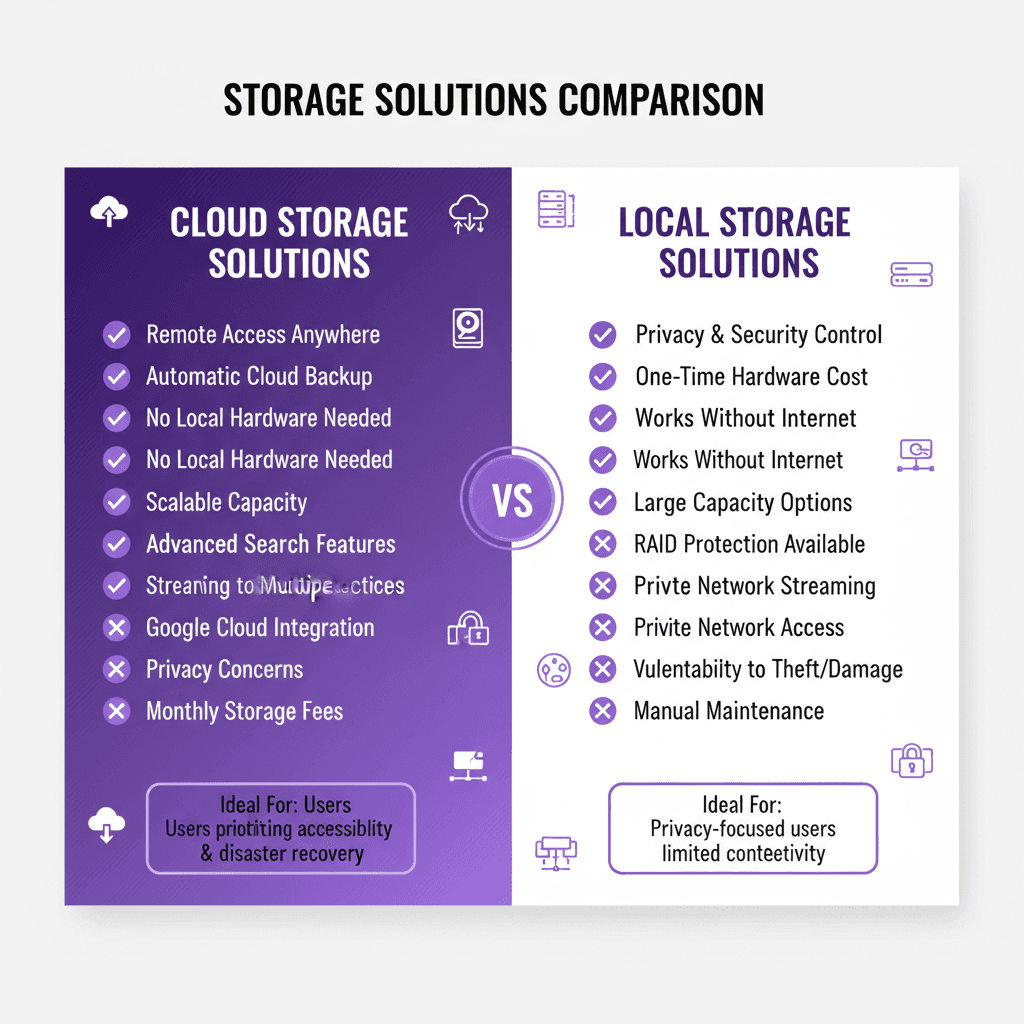
Modern face recognition cameras provide continuous surveillance capabilities that operate 24/7 without human intervention. These smart systems monitor designated areas constantly, analyzing every detected face against authorized user databases. When face recognition cameras can detect unauthorized access attempts, they immediately trigger alerts to property owners or security personnel, enabling rapid response to potential threats.
The ability to detect unauthorized access represents a critical advantage over traditional surveillance systems. Smart sensors continuously evaluate facial data, comparing each detected individual against registered profiles. When an unknown face appears, these technologies activate alert mechanisms that can include push notifications, email warnings, siren activation, or automatic notification to monitoring services. This intelligent approach to security ensures that property owners remain informed about all access attempts, whether authorized or suspicious.
Continuous surveillance systems also provide valuable forensic capabilities. By maintaining detailed logs of all facial recognition events, these smart products create comprehensive audit trails showing exactly who accessed specific areas and when. Modern systems can trigger alerts based on sophisticated rules, such as notifying administrators when certain individuals arrive, flagging multiple failed recognition attempts, or identifying patterns that might indicate security concerns.
Advanced smart technologies further enhance unauthorized access detection through integration with other security systems. Face recognition cameras can work alongside motion sensors, door locks, and alarm systems to create layered security solutions. These integrated systems provide robust protection by combining multiple detection technologies, ensuring that potential security breaches are identified through various mechanisms rather than relying on a single sensor type. Learn more about face compare.
For a comprehensive overview of this technology, explore our facial recognition technology guide.
Storage and Streaming Solutions for Face Recognition Cameras
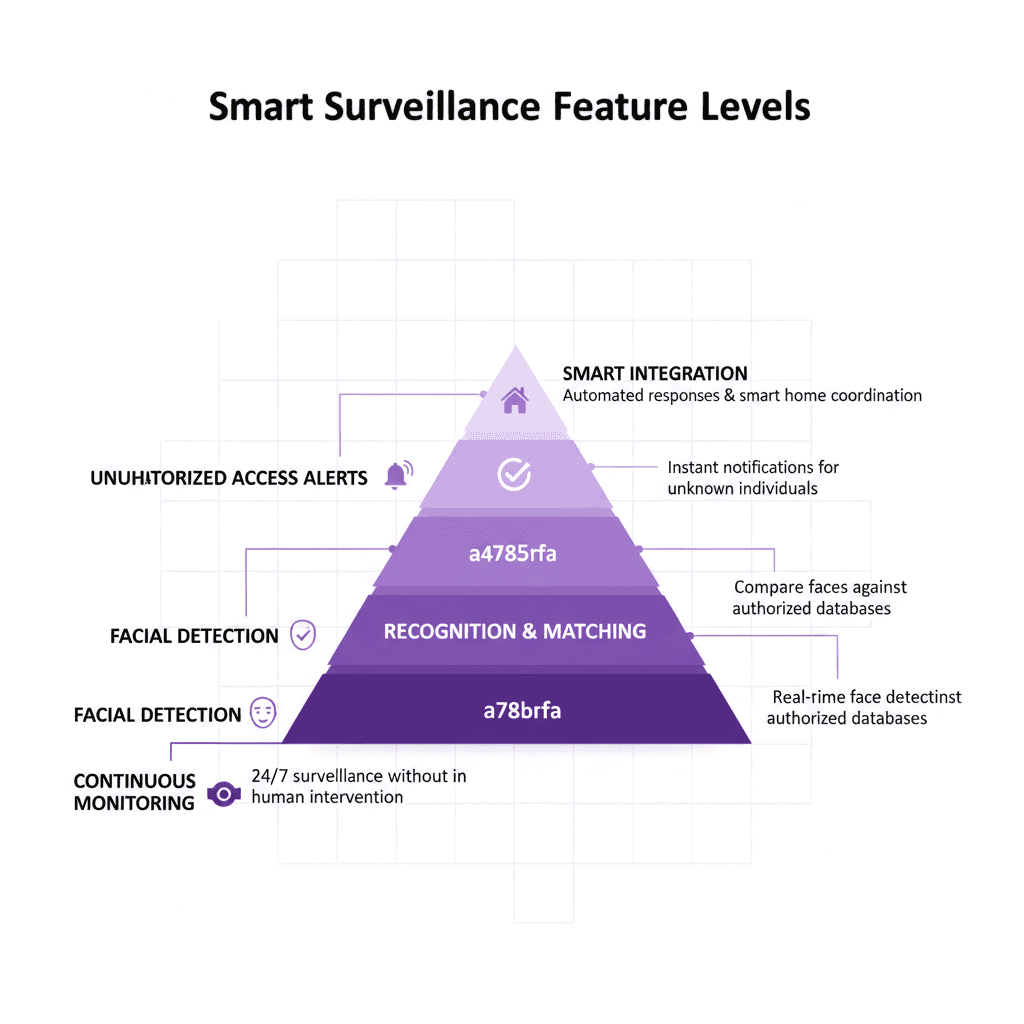
Effective storage solutions are essential for face recognition camera systems, as they must retain both video footage and facial recognition data for extended periods. Modern products offer flexible storage options including local network video recorders (NVRs), cloud-based platforms, and hybrid approaches that combine both methods. Google and other technology providers offer cloud storage services specifically optimized for surveillance applications, providing scalable capacity that grows with user needs. (Source: https://cloud.google.com/solutions/media-entertainment/video-surveillance)
Cloud storage systems provide significant advantages for face recognition cameras, including remote access from any internet-connected device, automatic backup protection, and elimination of local hardware maintenance. These streaming-enabled products continuously upload captured footage to secure cloud servers, ensuring that even if local equipment is damaged or stolen, critical evidence remains accessible. Google Cloud and similar platforms offer advanced search capabilities, allowing users to quickly locate specific facial recognition events within vast archives of surveillance footage.
Local storage solutions remain popular for users prioritizing privacy or operating in environments with limited internet connectivity. Network video recorders provide dedicated hardware for storing surveillance data, offering large capacity at lower long-term costs compared to cloud subscriptions. These products support advanced features like redundant disk arrays (RAID) for data protection and local streaming to multiple viewing devices across private networks.
Hybrid storage approaches combine the best aspects of both methods, maintaining local copies for immediate access while simultaneously backing up to cloud platforms for disaster recovery. This dual-storage strategy ensures maximum data protection while providing flexible streaming options. Modern face recognition camera products increasingly support hybrid configurations, recognizing that different users have varying priorities regarding privacy, accessibility, and cost. You may also find our guide on Google Photos face recognition helpful for understanding related approaches.
Intelligent Facial Recognition Software Integration
Intelligent facial recognition software serves as the brain behind modern security cameras, transforming raw image data into actionable security intelligence. These sophisticated technologies analyze captured facial features, creating mathematical representations that enable accurate identification. Advanced software products incorporate machine learning algorithms that continuously improve recognition accuracy, adapting to changes in individuals' appearances over time while maintaining robust performance across diverse lighting conditions and viewing angles.
Smart home integration represents a key advantage of contemporary facial recognition software. These technologies connect seamlessly with popular smart home platforms, enabling unified control through voice assistants, mobile applications, and automated routines. When integrated into comprehensive smart home ecosystems, face recognition cameras can trigger various actions beyond simple alerts—such as unlocking doors for recognized family members, adjusting lighting based on who enters a room, or activating specific scenes when certain individuals arrive home.
Modern software solutions provide extensive customization options, allowing users to configure recognition sensitivity, set up custom alert rules, and define specific actions for different recognized individuals. These products support features like stranger detection, VIP notifications, and age-based access control. Advanced technologies enable face recognition cameras to distinguish between family members, guests, and delivery personnel, applying appropriate security protocols for each category.
The integration capabilities extend beyond smart home applications to encompass business intelligence and operational efficiency tools. Commercial software products can generate detailed analytics about foot traffic patterns, peak visitor times, and customer demographics. These solutions transform face recognition cameras from simple security devices into valuable business intelligence tools that inform decisions about staffing, facility layout, and customer service strategies. For comprehensive facial recognition technology insights, explore our facial recognition technology platform.
Comparison of Face Recognition Camera Brands and Systems
Frequently Asked Questions About Face Recognition Cameras
What is a face recognition camera and how can it recognize faces?
A face recognition camera is a specialized security device that combines traditional video surveillance with advanced biometric identification technology. These cameras can recognize faces by using sophisticated sensors to capture facial images, extract distinctive features like the distance between eyes, nose shape, and jawline contours, then compare these characteristics against stored profiles in a database. The recognition process happens in real-time, typically within milliseconds, allowing the system to immediately identify known individuals or flag unknown visitors. Modern products from manufacturers like Hikvision and Lorex utilize deep learning algorithms that continuously improve accuracy, even accounting for changes in appearance such as facial hair, glasses, or aging. (Source: https://www.hikvision.com/us-en/core-technologies/ai-analytics/facial-recognition/) The cameras work by creating mathematical representations called "face prints" that are unique to each individual, similar to how fingerprints identify people. When someone approaches the camera, it captures their facial features, generates a face print, and searches the database for matches, triggering appropriate actions based on whether the person is recognized as authorized or unknown.
How do face recognition cameras provide continuous surveillance for home security?
Face recognition cameras provide continuous surveillance by operating 24/7 without requiring human monitoring or intervention. These home security systems constantly analyze video feeds, automatically detecting when human faces appear within their field of view and immediately processing that facial data through recognition algorithms. Unlike traditional security cameras that simply record footage for later review, intelligent face recognition systems actively evaluate every detected person in real-time, comparing them against authorized user databases. The continuous surveillance capability means these smart products never miss an access attempt, whether it occurs at 3 PM or 3 AM. Modern systems incorporate advanced sensors that perform reliably in various lighting conditions, including low-light and nighttime scenarios using infrared technology. The cameras maintain persistent vigilance, logging every recognition event, failed identification attempt, and suspicious activity. This constant monitoring provides homeowners with comprehensive security coverage, creating detailed audit trails that document exactly who accessed the property and when. Advanced home security systems can also stream live footage to smartphones and send instant alerts when specific recognition events occur, ensuring property owners remain informed even when away from home.
Can face recognition cameras detect unauthorized access and trigger alerts?
Yes, face recognition cameras can detect unauthorized access by comparing every detected face against a database of authorized individuals and immediately identifying when unknown persons appear. When the system encounters a face that doesn't match any stored profiles, it classifies this as a potential unauthorized access attempt and can trigger alerts through multiple channels. These smart systems send push notifications to smartphones, activate email warnings, sound on-site sirens, or contact professional monitoring services depending on configuration. The detection capabilities extend beyond simple recognition—advanced technologies analyze behavioral patterns, flagging suspicious activities like loitering, repeated failed access attempts, or individuals attempting to obscure their faces. Modern sensors can distinguish between authorized family members, pre-registered guests, and complete strangers, applying different alert protocols for each category. The trigger alert functionality ensures rapid response to security threats, with some systems capable of automatically locking doors, activating additional cameras for better coverage, or initiating two-way audio communication to challenge suspicious individuals. These intelligent detection and alert systems provide layered security that responds immediately to potential threats rather than simply recording events for later review.
What are the differences between Hikvision, Lorex, and ADT camera systems?
Hikvision, Lorex, and ADT represent three distinct approaches to face recognition camera systems, each targeting different market segments with varying features and price points. Hikvision specializes in high-performance residential and light commercial products, offering advanced facial recognition accuracy rates of ≥99%, database capacity supporting up to 50,000 stored faces, and sophisticated deep learning algorithms. Their systems excel at integration with smart home platforms and provide extensive customization options, making them ideal for tech-savvy homeowners and small businesses seeking professional-grade capabilities. (Source: https://www.hikvision.com/us-en/core-technologies/ai-analytics/facial-recognition/) Lorex focuses on user-friendly, DIY-installable products designed for homeowners prioritizing ease of use and affordability. Their systems deliver solid facial recognition performance with simplified setup processes, weather-resistant outdoor cameras, and flexible storage options combining local NVR recording with optional cloud services. Lorex products emphasize practical home security features like color night vision and two-way audio over enterprise-level advanced capabilities. (Source: https://www.lorex.com/collections/security-cameras-and-systems) ADT targets the commercial and enterprise market with professionally installed, monitored security solutions offering superior scalability, redundant storage systems, and integration with access control platforms. ADT systems support thousands of registered users, provide 24/7 professional monitoring services, and include comprehensive service agreements covering maintenance and technical support. (Source: https://www.adt.com/business)—making them suitable for businesses, apartment complexes, and large facilities requiring robust, professionally managed security infrastructure.
How does intelligent facial recognition software work with security cameras?
Intelligent facial recognition software works by processing video feeds from security cameras through sophisticated artificial intelligence algorithms that identify and analyze human faces. The software operates in several stages: first detecting that a face is present in the image, then extracting key facial features and landmarks, creating a mathematical representation called a face template, and finally comparing this template against a database of known individuals. Modern technologies utilize deep learning neural networks trained on millions of face images, enabling them to recognize individuals across varying angles, lighting conditions, and partial obstructions like glasses or masks. These smart solutions continuously process video in real-time, performing thousands of comparisons per second to identify people as they move through camera coverage areas. The software integrates with security systems through APIs and protocols that enable bidirectional communication—cameras send video data to processing servers while receiving commands to track specific individuals, zoom on faces, or activate recording based on recognition events. Advanced products incorporate technologies that improve accuracy over time through machine learning, adapting to changes in registered users' appearances while reducing false positive identifications. The software also generates valuable analytics, creating reports about visitor patterns, peak traffic times, and security events that help optimize both security protocols and operational efficiency.
What smart home features do modern face recognition cameras offer?
Modern face recognition cameras offer extensive smart home integration capabilities that extend far beyond traditional security functions. These systems connect seamlessly with popular platforms like Google Home, Amazon Alexa, and Apple HomeKit, enabling voice control, automated routines, and unified management through smartphone applications. (Source: https://store.google.com/us/category/connected_home) Smart home features include personalized automation where cameras can trigger specific actions when recognizing different family members—such as unlocking doors for registered residents, adjusting thermostat settings based on who arrives home, or activating customized lighting scenes. The cameras integrate with Nest Cam and other smart devices to create comprehensive home ecosystems where facial recognition serves as an intelligent trigger for various automated responses. (Source: https://store.google.com/us/category/cameras_doorbells) Advanced products support geofencing, using smartphone locations combined with facial recognition to distinguish between family members arriving home versus unknown visitors at the door. Smart notifications provide contextual alerts that identify specifically who triggered the event rather than generic "motion detected" messages. Modern systems work with smart home hubs to enable complex automation scenarios—like starting coffee makers when specific family members are recognized in the morning, or activating away mode when the last authorized person leaves. These technologies also support multi-user management where different family members can configure personalized preferences, access levels, and notification settings, creating a truly intelligent home security and automation solution that adapts to household patterns and individual preferences.
The Future of Face Recognition Camera Technology
Face recognition cameras continue evolving rapidly, with emerging technologies promising even greater accuracy, privacy protection, and integration capabilities. Future systems will incorporate advanced sensors capable of 3D facial mapping, making them immune to photo-based spoofing attempts while improving recognition accuracy under challenging conditions. Smart products will leverage edge computing to process facial recognition locally rather than relying on cloud services, addressing privacy concerns while reducing latency and bandwidth requirements. These next-generation technologies will seamlessly integrate with comprehensive smart home and commercial security ecosystems, providing unified control through artificial intelligence assistants that understand natural language commands and learn user preferences over time.
The advancement of storage and streaming technologies will enable face recognition cameras to retain higher resolution footage for longer periods while maintaining affordable costs. Google Cloud and competing platforms continue developing specialized products optimized for surveillance applications, incorporating intelligent indexing that makes searching vast video archives as simple as text-based searches. (Source: https://cloud.google.com/solutions/media-entertainment/video-surveillance) Future systems will automatically organize footage by recognized individuals, locations, and events, transforming hours of surveillance video into easily navigable, searchable content. As these technologies mature, face recognition cameras will become standard components of comprehensive security solutions, offering capabilities that current systems can only approximate while addressing legitimate privacy concerns through transparent operation and user-controlled data management.
System Comparison
| Camera Brand/System | Face Recognition Features | Home Security Applications | Storage Solutions |
|---|---|---|---|
| Hikvision Face Recognition Cameras | Advanced deep learning algorithms, ≥99% accuracy rate, supports up to 50,000 face database | Residential smart home integration, multi-user profiles, mobile app control | Local NVR storage, cloud backup, hybrid systems available |
| Lorex Security Products | AI-powered facial detection, color night vision, person detection filters | Easy DIY installation, weather-resistant outdoor cameras, two-way audio | Up to 256GB microSD storage, optional cloud streaming services |
| ADT Commercial Systems | Enterprise-grade recognition, access control integration, visitor management | Professional monitoring services, 24/7 surveillance, multi-location support | Redundant commercial storage, customizable retention policies, unlimited cloud options |
| Nest Cam Smart Technologies | Google AI-powered familiar face alerts, activity zones, intelligent sound detection | Google Home ecosystem integration, Nest Aware subscriptions, smart alerts | Cloud-only storage with Google servers, 30-60 day event history |
| Wyze Affordable Solutions | Person detection, facial recognition via Wyze Cam Unlimited, motion tracking | Budget-friendly home security, smartphone notifications, smart home compatibility | 14-day cloud storage with Cam Plus, local microSD card support |
| Google Nest Hub Integration | Centralized facial recognition management, multi-camera streaming dashboard | Unified smart home control, voice command compatibility, household profiles | Google Cloud Platform integration, scalable enterprise storage options |