
Identity Theft: Report Identity Theft and Protect Your Credit and Account
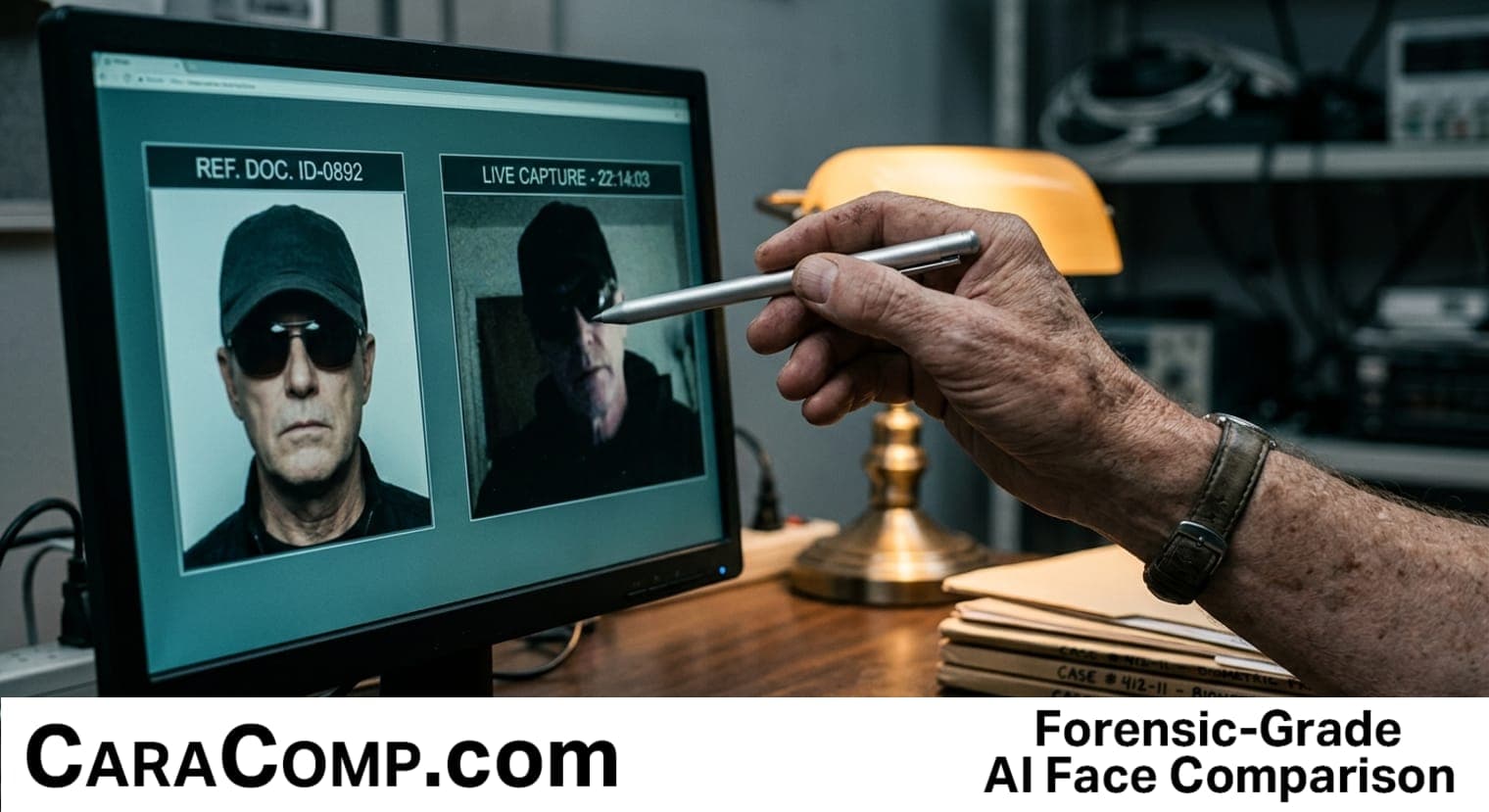
Here's a number that should stop you mid-scroll: 170 million identity documents, reportedly for sale on the dark web, tied to a breach at a company called IDScan. That's driver's licenses, ID cards, passports, even medical cards. And here's the part that should actually worry you, more than the number itself: unlike a stolen password, you cannot reset your face.
TL;DR: Identity fraud gets more dangerous after a document breach because a leaked photo of your ID never expires the way a password does, forcing every company that checks your identity to hunt for mismatches instead of just confirming a match. If your information was exposed, identitytheft.gov can help you report identity theft and build a recovery plan, and consumers can report identity theft the moment they suspect a problem.
When people hear "data breach," they picture a password reset email and a mild inconvenience. Change the password, maybe turn on two factor authentication, move on with your Tuesday. But a breach involving copies of driver's licenses and passports doesn't work that way. This is the kind of breach that keeps paying off for criminals years after the headline fades, and understanding why is the difference between shrugging this off and actually protecting yourself against identity theft, credit fraud, and account takeover, since all types of crime tied to stolen identity documents tend to compound over time.
Why Identity Theft, Credit Fraud, And Account Risk From A Leaked ID Never Really End
Let's start with what actually got exposed. According to Biometric Update, the breach included 153 million driver's licenses, 10 million ID cards, 3 million travel documents like passports, and 579,000 medical cards. That's not a spreadsheet of usernames and scrambled passwords. That's photographs of real faces, attached to real names, attached to real ID numbers and other personal information. It's the exact combination of ingredients that identity verification systems are built to check, and the same combination that fuels identity theft, credit account fraud, and personal information misuse for years after a breach.
A password is a secret you made up. If it leaks, you pick a new secret and the old one becomes worthless overnight. An identity document is not a secret you made up. It's a government-issued fact about you, your face, your name, your birthdate, your ID number. You can't "reset" your driver's license photo the way you reset a Netflix password or a credit account login. That mismatch between how we think about breaches and how identity documents actually work is where identity theft gets its staying power, and it is a big part of why fraud tied to leaked identity information, and leaked personal information generally, behaves so differently from a simple password leak.
170M
identity documents reportedly put up for sale, roughly 8 months' worth of one provider's total verification volume
Source: Biometric Update
Here's a detail that makes this feel less like a one-time accident and more like an ongoing leak: the people behind the marketplace selling this data claimed they'd been "continuously exfiltrating new data for over a year," and the driver's license count reportedly climbed by close to 400,000 records in a single 24-hour window. That's not a burglar who broke in once and left. That's more like someone who found a spare key and has been quietly letting themselves in on a schedule, committing what amounts to identity theft in slow motion rather than in a single dramatic heist. This article is part of a series, start with Uk Age Verification 1 400 Vpn Privacy Signup Surge Podcast.
How Identity Verification, Account Checks, And Fraud Detection Actually Work
To understand why this breach matters more than a typical one, you need to understand what identity verification is actually trying to do. It's not one check. It's a chain of several checks on the account and the person that all have to point to the same conclusion: this real, living person, right now, matches this document, and that person is not attempting fraud identity criminals prepared in advance.
Step one is the document itself. You hold your driver's license up to your phone camera, and software reads the name, birthdate, ID number, and pulls the photo off the card, along with other identity details tied to the account. Step two is you. The app asks for a live photo or a short video of your face. Step three is where it gets clever: the system builds a facial map (basically a set of measurements, like the distance between your eyes and the shape of your jawline, turned into numbers a computer can compare) from your live face, and checks it against the photo pulled off the document. Step four, and this is the one most people never think about, is liveness detection. The app might ask you to blink, turn your head, or smile, because a flat photo or a printed mask can't do that convincingly in real time.
Notice what all four steps are really asking. They're not asking "is this a real ID." They're asking "does the document, the face, the account, and the living, breathing moment all belong to the same person, right now." That's a much harder question than it sounds, and it's exactly the question a stolen document breaks, which is precisely how synthetic identity schemes and old-fashioned document theft both try to slip past a verification system built for honest applicants.
What You Just Learned About Identity Theft, Credit, Security, And Document Breaches
- 🧠 Passwords reset, documents don'ta compromised password becomes worthless in minutes; a leaked driver's license photo stays useful to a fraudster for years and keeps fueling theft long after the breach is old news.
- 🔬 Verification is a chain, not a single checkdocument, face, and liveness all have to line up, and a stolen document only supplies one link, which is exactly why account security and credit protection depend on every layer working together.
- 🔬 Liveness detection is the last line of defenseit's specifically built to catch someone holding up a stolen photo instead of showing their own face, a key part of digital fraud defense and identity protection.
- 💡 Scale changes the math170 million documents means fraudsters can attempt the same trick against thousands of companies and credit providers at once, not just one, turning isolated theft attempts into a coordinated wave of official concern.
Identity Document Verification, Credit Account Security, And A Puzzle With Missing Pieces
Think of identity verification like a jigsaw puzzle with exactly four pieces: the document, the personal details, the live face, and proof that a real person is present in that moment. When a fraudster buys a leaked document, they instantly own two or three of those pieces (the photo, the name, the ID number), essentially inheriting someone else's identity information and personal information without lifting a finger. What they still don't have is the fourth piece, a real, live person standing in front of a camera who actually looks and moves like the person in the photo. That missing piece is exactly where legitimate identity verification and account security systems have to focus their attention now, since it is the one thing that stops theft identity schemes, and theft of a credit account, from succeeding automatically.
Identity Theft, Credit Risk, And Official Reporting: What Makes A Password Breach Different From A Document Breach?
A password breach is dangerous but temporary. You get an alert, you change the password, and the stolen credential is dead within minutes if you act fast. A document breach is dangerous and lasting, because the stolen "credential" is your actual face and your actual government ID number, and neither one can be swapped out like a login or a credit account number, which is exactly the theft guide problem every security team is now racing to solve.
This is the misconception worth clearing up, and it's an easy one to fall into, because we've spent two decades being trained to think of every data leak the same way: "something got exposed, go change your password, done." That habit made sense when breaches mostly involved login credentials or a single credit card. But identity documents were never designed to work like passwords. A driver's license photo doesn't have a reset button. Your ID number doesn't rotate every 90 days. When that data leaks, the leak doesn't close, it just sits there, useful to whoever bought it, for as long as your face and your ID number stay the same, which for most of us is basically forever, and which is precisely why identity theft from a document breach can quietly continue for years and touch every credit account you hold.
Here's the analogy that makes it click. A password is like a combination on a padlock. Get it exposed, spin in a new combination, the old one is instantly dead weight. A leaked identity document is more like someone photographing your passport at a copy shop and posting the photo online. That photograph never expires. Fraudsters can try using it against a bank next month, a phone carrier next year, a credit account or loan application five years from now, and every single one of those companies has to somehow figure out, in real time using official account level checks and credit monitoring, whether the person in front of them is really you or just someone holding your old photo.
| Compromised credential | Can it be reset | How long the risk lasts | Status after a breach |
|---|---|---|---|
| Password | Yes, in minutes | Effectively zero once changed | Resolved |
| Credit card number | Yes, bank reissues it | Days to weeks | Resolved with official credit reissue |
| Identity document photo | No, the photo and ID number stay fixed | Years, until you legally reissue the document | Ongoing identity theft and credit risk |
That table is really the whole story in three rows. The first two problems are annoying but fixable. The third one is the one that fuels identity theft and credit account fraud long after the news cycle moves on, because the underlying document data simply doesn't have an "undo" button built in. Previously in this series: Id Verification 170 Million Stolen Ids Now For Sale Podcast.
The breach exposes the privacy limits of physical ID scanning and strengthens the case for privacy-preserving digital credentials.
reporting on the IDScan breach, Biometric Update
Do Companies Have An Official Duty To Report Identity Theft Risk When Your ID Document Is Breached?
Rules vary by state and country, but many require companies to notify you when personal information tied to identity theft risk, including ID numbers, credit account details, or scanned documents, is exposed. The FTC and its Consumer Sentinel network collect these reports, and if a company you've verified your identity or credit account with confirms a breach, that official notification is worth reading carefully, not skimming past.
Spotting Identity Theft, Credit Fraud, And Account Takeover After A Document Breach
So if a fraudster has your license photo, your name, and your ID number, what stops them from just walking into your bank account or opening a new credit account in your name? The honest answer is: the liveness check, the mismatch detection, and a growing pile of small forensic clues that legitimate identity verification services are specifically trained to notice before fraudulent information is used unlawfully against a real account.
Document liveness detection is one layer, and it's more specific than people realize. It's not just checking "is this a real ID," it's checking whether the physical document is actually present in front of the camera right now, which catches screenshots, printed photocopies, and video replays of someone else's stolen document. That's three separate fraud tricks, and each one needs a slightly different detection method to commit fraud against an account or a credit line, not just a simple photo match. Facial liveness is a second, separate layer, checking for a real three-dimensional, moving human face rather than a photo held up to the lens.
When a stolen document removes the "this person legitimately owns this ID" assumption, the whole system has to lean harder on the remaining layers. Why did the head angle in the live photo look nothing like the document photo? Why does the lighting on the "live" face look suspiciously like a photograph lit under fluorescent lights instead of natural daylight? Why is the facial similarity score sitting at 95% instead of the 99% a genuine match usually produces? None of those questions has an obvious answer on their own. Together, they're the fingerprints of identity theft, credit fraud, and account takeover in progress.
This is where facial recognition and facial comparison expertise earns its keep, and it's a big part of what CaraComp focuses on. A quick glance at two photos side by side can miss all of this. A trained eye, or a properly calibrated system, is looking for the inconsistencies: an unnatural head tilt, a lighting mismatch, a facial ratio that's close but not quite right. Those small inconsistencies are often the only warning sign that someone is presenting a stolen identity document rather than their own face, part of a broader identity protection effort every verification and credit provider now has to take seriously.
Identity Theft Recovery, Credit And Account Security, And What You Can Actually Do
You can't change your face, but you can limit how your ID data gets reused against your credit and your accounts. Freeze your credit with the major bureaus, set up fraud alerts on every account, and treat any unexpected request for a copy of your ID (especially by email or text) with real suspicion. If a company confirms your document was part of a breach, ask specifically whether your document number, not just your name, was involved, since that number is what fraudsters actually reuse to commit further identity theft against your credit and your accounts.
Key Takeaway Up next: Credit Card Age Verification Steam Skips Age Estimation.
Identity theft built from a leaked document is harder to shake than a password breach because passwords reset and ID copies don't, which is why any request for a photo of your ID deserves the same caution you'd give a request for your password or credit account number, if not more.
The Real Lesson Buried In 170 Million Stolen Identity And Credit Documents
Here's the thing that should actually stick with you after all this. We built an entire digital economy, including our credit system and our accounts, on the assumption that identity checks work like locks: show the right key, get access, and if the key gets stolen, cut a new one. Identity documents don't work like locks. They work like fingerprints frozen in time, unchangeable, permanently attached to you, and once a copy of that fingerprint is floating around a dark web marketplace, no amount of "changing your password" undoes the official record of what was exposed.
So the next time a form asks you to upload a photo of your driver's license "just to verify your identity," ask yourself the question this whole story keeps pointing at: would you rather hand a stranger your password, which you can kill in thirty seconds, or a photograph of the one document you can't cancel, can't reissue overnight, and can't ever really take back? Either way, if you ever suspect your information was exposed, identitytheft.gov remains the official place to report identity theft and get a personal recovery plan, because someone uses your personal information the moment it lands in the wrong hands, and the official record matters.
identity fraud, credit, and identity theft: Frequently Asked Questions
Can identity fraud and identity theft happen even if my password or credit account was never leaked?
Yes. Identity theft does not require a stolen password or credit account at all. If a fraudster has a copy of your driver's license or passport, your name, birthdate, and ID number, they can attempt to open accounts, apply for credit or loans, or pass identity verification checks at other companies without ever touching your login credentials. That's part of why document breaches like the reported IDScan incident are considered more serious than typical password leaks, and why victims are encouraged to report identity theft at identitytheft.gov as soon as they suspect a problem, since consumers can report identity theft the same day they notice something wrong.
How can I tell if a website's identity or credit account check is legitimate or a scam trying to steal my ID?
Legitimate identity verification usually happens through a company you already have an account or credit relationship with, like your bank, and asks for a live photo alongside your document, not just an upload. Be wary of unexpected emails or texts asking you to send a photo of your ID with no live-selfie step, since that's often just a way to collect the document and personal information alone, without the liveness check that makes verification meaningful, an official warning sign of digital fraud.
What is liveness detection and why does it matter for stolen identity documents?
Liveness detection is a check built into identity verification apps that confirms a real, three-dimensional, moving person is in front of the camera, not a photo, video replay, or mask. It matters enormously after a document breach because a fraudster might have your ID photo, but liveness detection is specifically designed to catch the fact that they don't have your actual, living face, which keeps ordinary identity theft attempts, and attempts against your credit account, from succeeding.
Does freezing my credit protect me after an identity document breach?
A credit freeze helps block new accounts and new credit from being opened in your name using your Social Security number, which reduces one major identity theft pathway. It doesn't erase the leaked document photo or ID number itself, though, so it should be paired with fraud alerts, close attention to any official notice from a company confirming your documents were involved in a breach, and a report filed at identitytheft.gov if you spot suspicious activity on any account or credit line.
Why do passwords reset but identity documents don't?
A password is a secret you invented, so a new one can replace it instantly and the old one becomes useless. An identity document like a driver's license contains fixed facts, your face, name, and ID number, issued by a government agency. You can't simply generate a new face, credit account number, or ID number the way you generate a new password, so once a copy leaks, that data stays potentially useful for identity theft until you legally reissue the document itself.
Ready for forensic-grade facial comparison?
Full forensic reports with detailed similarity scoring. Results in seconds.
Run My First SearchMore Education
Digital Identity: Bangladesh Bets $748 Million on Trust
Bangladesh just budgeted $748 million for a national digital identity system, and most of that money isn't going toward face scans. Here's what it's actually buying, and why the difference matters for your own privacy.
privacyDigital Identity Verification: Proving 18+ Without a Birthday
You'll learn how a cryptographic "yes/no" proof lets you verify your age online without handing over your birth date, ID, or personal records, and why the tech alone isn't the whole privacy story.
privacyIllinois BIPA: Court Exempts Home Care Fingerprint Scans
An Illinois court just ruled a home care provider exempt from the state's biometric privacy law, and it reveals a fact most people get wrong: handing over your fingerprint doesn't guarantee the same legal protection everywhere.