
Compare Two Faces Online Free - Image Recognition Tools
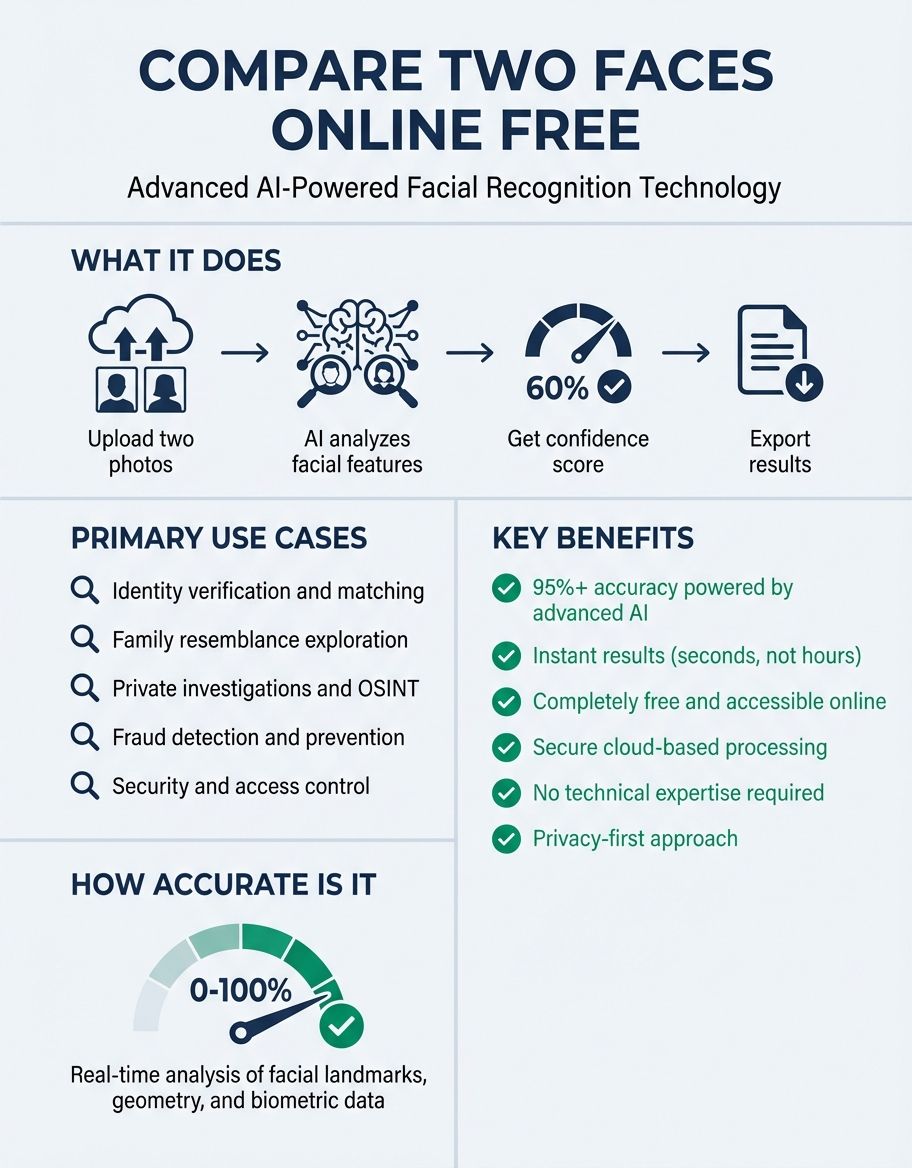
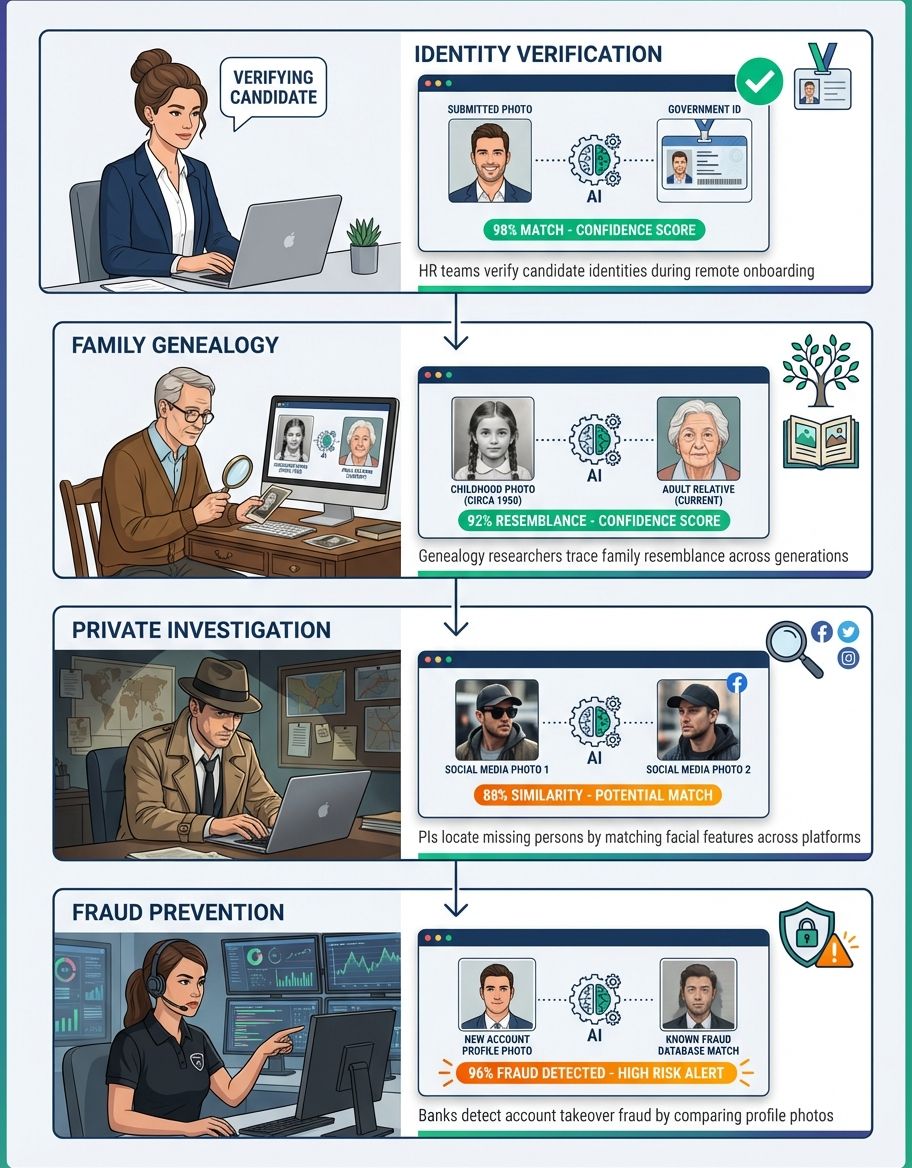
When you need to compare two faces online free, modern technology makes it possible to analyze image similarities between photos within seconds. Whether you want to verify identity, explore family resemblances, or determine if two photos show the same person, these comparison tools deliver instant results without requiring technical expertise or specialized software.
Online platforms now enable anyone to upload two images and receive detailed analysis through advanced algorithms. These tools examine bone structure, facial feature proportions, and geometric relationships to calculate similarity percentages. From personal curiosity about how much human faces look alike together to professional identity verification, the ability to easily compare two faces has become an accessible resource for everyone.
This comprehensive guide explores how comparison technology works, what makes these systems accurate, and how you can use them effectively. We'll examine the underlying methodologies, best practices for optimal results, and practical applications that make these tools valuable for both personal and professional purposes.
How Image Processing Technology Works
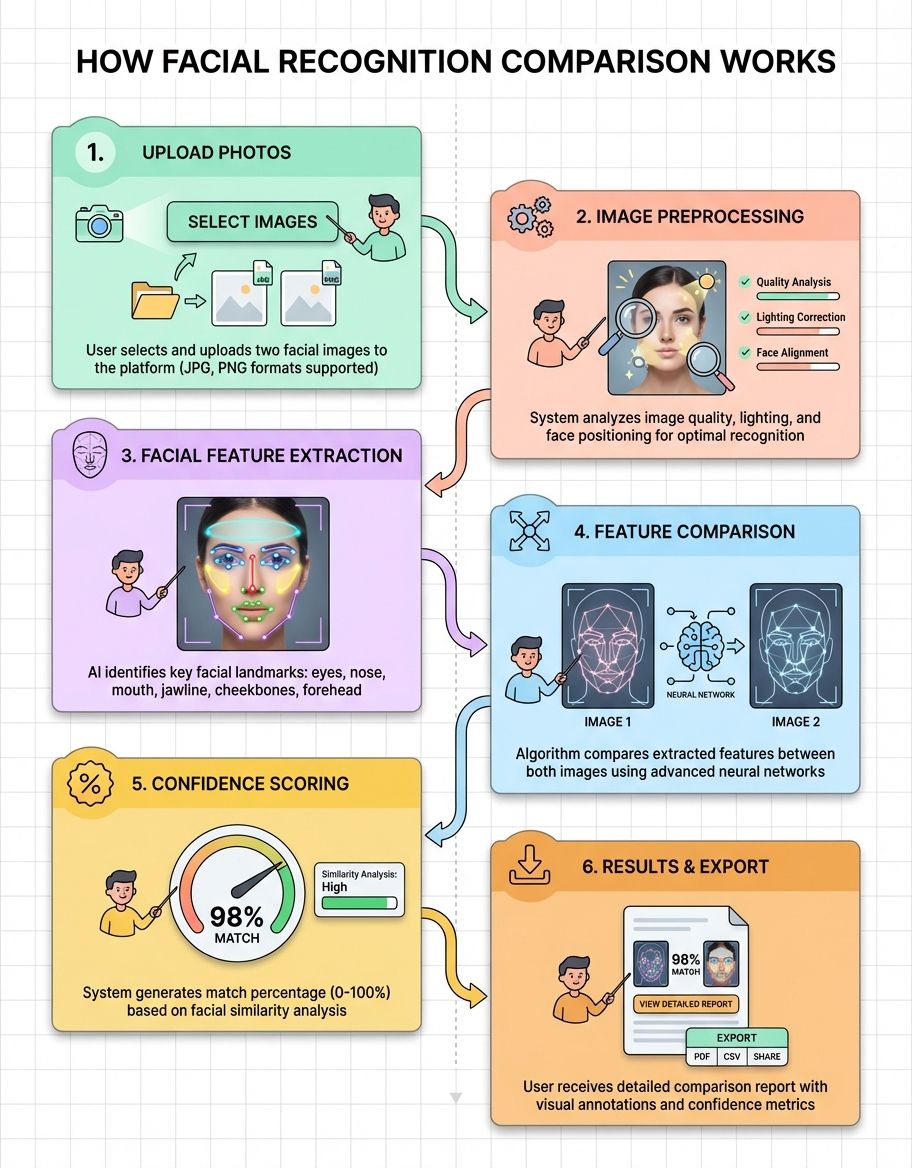
When you upload photos to compare your face with another, systems first process each through multiple stages. Technology analyzes pixel patterns, lighting conditions, and structural elements to prepare data for analysis. This preprocessing ensures that regardless of photo quality or source, platforms can extract meaningful information from your uploads.
Advanced processing converts visual information into numerical values that algorithms can compare. Systems examine color distributions, contrast levels, and resolution to normalize data between different photos. This standardization allows accurate comparison even when working with photos taken under vastly different conditions or with different cameras.
Modern platforms handle various image formats and quality levels. Whether you're working with professional portraits or casual smartphone snapshots, technology adapts automatically. Enhancement algorithms can compensate for poor lighting, low resolution, or digital compression artifacts, ensuring reliable analysis across diverse sources.
Preprocessing includes face alignment, where systems rotate and scale photos to position features consistently. This alignment enables accurate measurement of distances between landmarks regardless of how subjects positioned themselves during photography. The result is reliable comparison that focuses on intrinsic structure rather than external variables.
Understanding Recognition Systems
When you compare face similarity online, recognition engines extract hundreds of data points from each photo, creating unique signatures that characterize individual appearances. These systems use neural networks trained on millions of photos to identify and measure distinctive features with remarkable precision.
The recognition process begins with landmark identification, where algorithms locate key points such as eye corners, nose tip, mouth edges, and jawline contours. These landmarks serve as reference points for measuring proportions and distances. Advanced systems can detect subtle variations that human observers might miss, including the spacing between eyes, nose width, and cheekbone prominence.
Machine learning models power accurate comparison by understanding variations across different ages, ethnicities, expressions, and lighting conditions. Technology continuously improves through processing more data, refining its ability to distinguish between similar-looking individuals while correctly matching photos of the same person taken at different times.
Accuracy depends on multiple factors including pose consistency, expression, and age differences between photos. Most systems achieve over 95% precision when comparing clear photos. Technology can even account for aging by analyzing bone structure that remains relatively constant throughout adulthood, making it possible to match your ancestor's faces with contemporary family members.
How Detection Systems Identify Faces
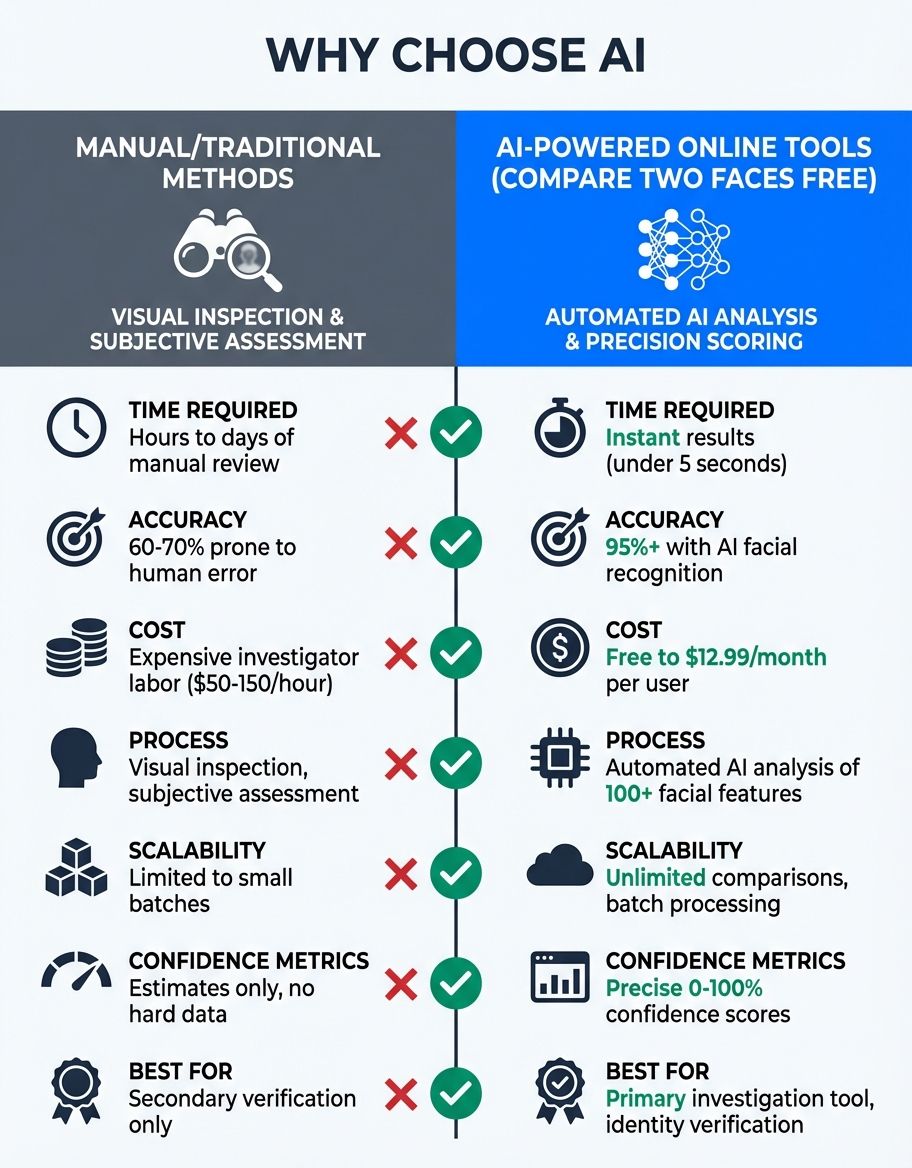
Detection algorithms identify and isolate faces within uploaded photos before comparison begins. This critical first step ensures that analysis focuses on relevant features rather than background elements. Modern systems use cascade classifiers and convolutional neural networks to locate faces with remarkable speed and precision.
When you submit photos, engines scan each one, identifying regions likely to contain faces. Systems evaluate patterns looking for characteristic arrangements like horizontally aligned eyes, a centrally positioned nose, and a mouth below. Platforms can identify multiple faces in a single photo and isolate the ones you want to compare.
These algorithms must handle various challenges including partial faces, profile views, and different scales. Advanced platforms use multi-scale analysis, examining photos at different resolutions to identify faces regardless of size. This capability ensures accurate results whether the face occupies most of the frame or appears as part of a group shot.
The robustness of detection determines overall system reliability. Top-tier platforms can identify faces under difficult conditions such as low light, shadows, or unusual angles. They also filter out false positives, distinguishing between actual human faces and face-like patterns in objects or backgrounds.
Specialized Facepair Technology
Facepair technology represents specialized systems designed specifically for pairwise comparison. Unlike general platforms that might identify individuals in crowds, facepair tools focus exclusively on analyzing relationships between two specific faces. This targeted approach enables deeper analysis and more detailed similarity metrics than broader systems.
The facepair process creates detailed maps for both photos, then overlays these maps to identify matching and diverging features. Systems measure geometric relationships between landmarks, comparing ratios and proportions. They also analyze texture patterns, the shape of features, and the overall symmetry of each face to generate comprehensive similarity assessments.
Mobile App Solutions
Mobile platforms have made comparison accessible through user-friendly applications. These app packages sophisticated algorithms into intuitive interfaces where users can upload photos, initiate comparisons, and view results with minimal technical knowledge. The democratization of this technology through app development has enabled millions to explore similarities between faces.
Modern implementations optimize the process for speed and convenience. Cloud-based processing handles computational demands, allowing even smartphones with limited power to perform complex analysis. Users simply select or capture two photos, and systems handle preprocessing, face isolation, feature extraction, and similarity calculation automatically.
Some app platforms perform all processing locally on devices, ensuring sensitive data never leaves user control. Understanding the architecture of different solutions helps users make informed choices about where to upload their photos based on convenience and security preferences.
Analyzing Structural Features
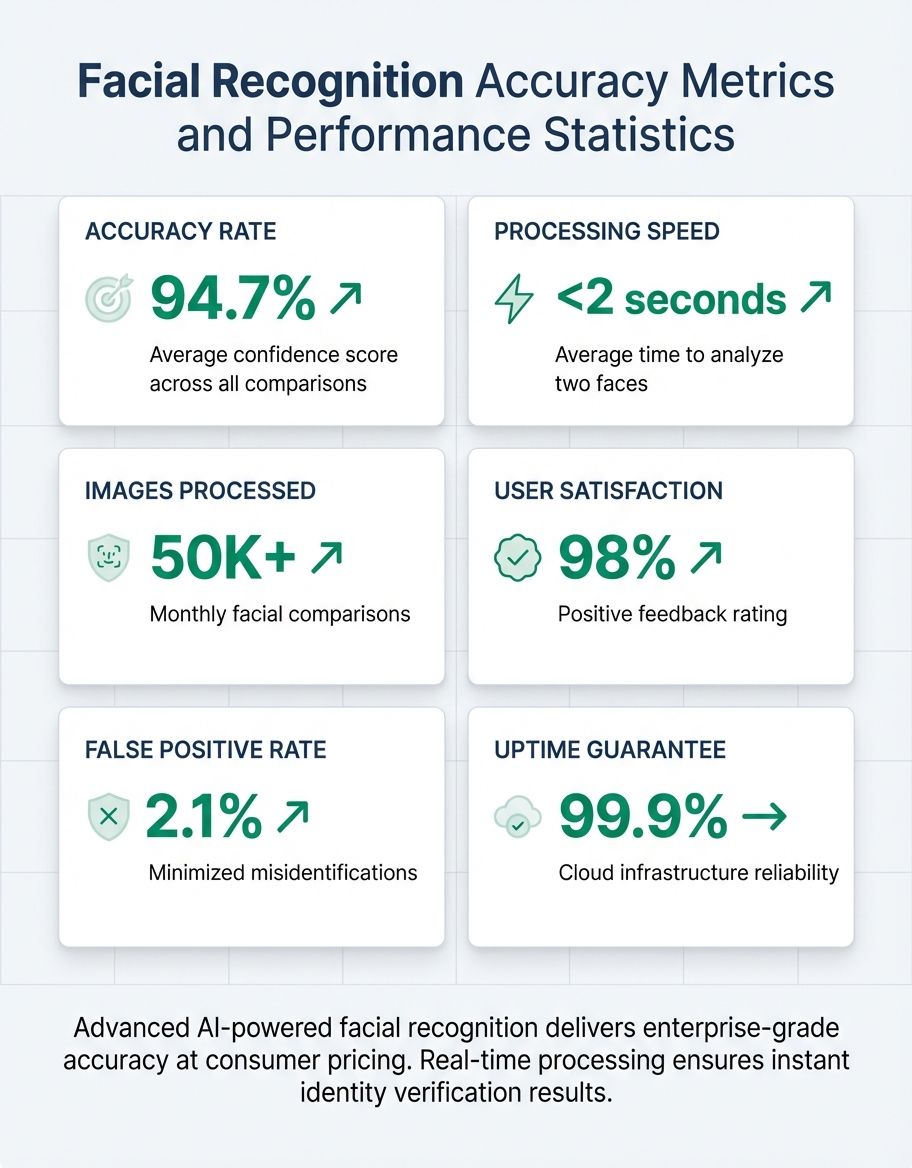
Analysis encompasses broader methodologies used to examine human faces. Beyond simple comparison, this field includes feature analysis, emotion detection, age estimation, and identity verification. Understanding these foundations provides context for how comparison tools operate within the larger landscape of biometric technology.
The human face contains unique biometric data that makes it an ideal identifier. Technology leverages this uniqueness through mathematical modeling of geometry. Each face can be represented as a multidimensional vector in feature space, where similar faces cluster together while distinct ones remain separated. This mathematical framework enables quantitative matching.
Ethical considerations surround deployment of these systems. While technology offers valuable applications in security, genealogy, and personal curiosity, concerns about consent and potential misuse require careful attention. Users should understand both capabilities and limitations to use tools responsibly and interpret results appropriately.
Face Compare Platform Features
Face compare platforms specifically address the challenge of determining similarity between two photos. This specialized domain combines elements of processing, analysis, and scoring to produce actionable metrics. Whether determining if two photos show the same person or measuring genetic resemblance, systems apply consistent methodologies for reliable results.
The comparison algorithm generates a similarity percentage indicating how closely images align. Percentages above 80% generally suggest the same individual, while results between 50-80% might indicate family resemblance. Lower values point to different individuals with minimal resemblance. Understanding these thresholds helps users interpret results correctly.
Technology accounts for variations in photo quality, lighting, angle, and expression. Sophisticated platforms can normalize these variables, focusing on intrinsic structure rather than extrinsic factors. This normalization ensures that two photos of the same person taken under different conditions still yield high similarity scores.
API Integration for Developers
Technology enables developers to integrate comparison capabilities into their own applications and workflows. Rather than building systems from scratch, developers can leverage powerful services that provide comparison functionality. This approach accelerates development and ensures access to cutting-edge algorithms without maintaining infrastructure.
Comparison endpoints typically work through REST services where developers send data and receive structured results. The backend handles all processing including isolation, feature extraction, and similarity calculation. Developers can customize parameters such as similarity thresholds and output formats to suit specific applications.
Commercial services offer scalability and reliability that individual implementations struggle to achieve. These process millions of comparisons daily, maintaining high performance. However, usage requires attention to security since photos are transmitted to external servers. Evaluating security measures and compliance certifications ensures responsible integration.
Privacy and Security Best Practices
When using online comparison services, understanding how platforms handle your data protects your information. Reputable services implement strict privacy protocols including automatic deletion after processing. Look for platforms that clearly state their policies and data retention practices to ensure responsible handling of sensitive photos.
Data encryption during transmission protects your uploads from interception. Services should use secure connections and endpoints to safeguard data. Additionally, platforms committed to user protection operate without requiring accounts, enabling anonymous usage that doesn't link comparisons to personal identities.
Consider whether platforms store photos for training purposes or other uses beyond immediate comparison. The best services process photos, deliver results, and immediately delete all data without retention. Reading terms of service carefully before uploading ensures you understand exactly how your information will be handled.
Comparison Table: Free vs. Premium Services
| Feature | Compare Two Faces Online Free | Alternative Premium Tools |
|---|---|---|
| Basic comparison | Unlimited usage with standard accuracy | Enhanced algorithms with higher precision |
| Processing speed | Results within 2-5 seconds | Instant results under 1 second |
| Resolution support | Up to 5MB file size | Unlimited file sizes with high-resolution support |
| Batch processing | Single comparison per request | Multiple photo comparisons simultaneously |
| Advanced analytics | Basic similarity percentage | Detailed feature analysis, age estimation, emotion detection |
| Data protection | Standard encryption and immediate deletion | On-premise processing options and enhanced security |
Frequently Asked Questions
How can I upload two photos for comparison?
To upload two photos, visit a comparison service and locate the interface. Most platforms feature two separate upload areas labeled for first and second photos. Click the upload button for each area and select photos from your device, or drag and drop directly into the upload zones. Once both are uploaded, click the "Compare" button to initiate processing. The system performs analysis on each photo and displays similarity results within seconds.
How can I compare face similarity online accurately?
To compare face similarity online with optimal accuracy, use high-quality photos with clear frontal views. Ensure both have good lighting and minimal shadows that could interfere with analysis. Photos should show faces at similar angles for the most reliable results. Choose services that clearly state their accuracy rates and use modern algorithms. After uploading, systems apply analysis to both and generate a similarity percentage showing how closely they match.
How can I compare your face with family members?
Comparing your face with family members helps identify inherited features and genetic patterns. Upload a clear photo of yourself alongside a photo of the family member you want to compare. Technology will analyze bone structure, feature proportions, and geometry to determine similarity. This proves particularly interesting when examining connections to parents, siblings, or grandparents to see which features you've inherited through generations.
How can I analyze your ancestor's faces?
Analyzing ancestor photos through comparison technology offers fascinating genealogical insights. Upload historical photos alongside contemporary family photos. Despite age differences or photo quality variations, modern algorithms can identify structural similarities. Technology accounts for aging and photograph degradation, focusing on stable features that persist across generations to reveal hereditary connections.
How can I determine if two faces belong to the same person?
To determine if two faces belong to the same person, upload both photos for comparison. The system will generate a similarity percentage typically ranging from 0-100%. Results above 80% strongly suggest the same person, accounting for variations in age, lighting, expression, and photo quality. Percentages between 60-80% indicate possible matches requiring additional verification, while results below 60% suggest different individuals with minimal resemblance.
What makes comparisons match with high accuracy?
Faces match with high accuracy when they share consistent geometric proportions and structural features. The distance between eyes, nose width relative to face width, jawline shape, and cheekbone prominence all contribute to the final percentage. Systems weight stable features more heavily than changeable elements like hairstyle or expression. High-quality, front-facing photos with good lighting produce the most accurate results for reliable matching.
Can I verify if photos show the same person?
Yes, comparison technology excels at verifying whether photos show the same person across different contexts and time periods. Systems analyze intrinsic structure that remains relatively constant despite changes in age, expression, or photography conditions. This verification capability serves practical purposes in identity confirmation, finding duplicate photos, or confirming that historical photos depict the individuals claimed in family records.
Conclusion
The ability to compare two faces online free represents remarkable accessibility to sophisticated technology. By understanding the underlying systems—from initial processing through analysis to final similarity scoring—users can leverage these tools effectively and interpret results with appropriate context. Whether exploring family resemblances, verifying identities, or satisfying curiosity about similarities, modern comparison platforms deliver accurate, fast, and secure analysis.
As technology continues advancing, we can expect even greater accuracy, faster processing, and enhanced protections. The democratization of these sophisticated tools through free online platforms ensures that anyone can benefit from capabilities once reserved for specialized applications. By choosing platforms that employ robust algorithms and provide clear result interpretation, you can confidently explore the fascinating world of comparison and discover unique patterns that make each face distinctive while revealing unexpected similarities.